

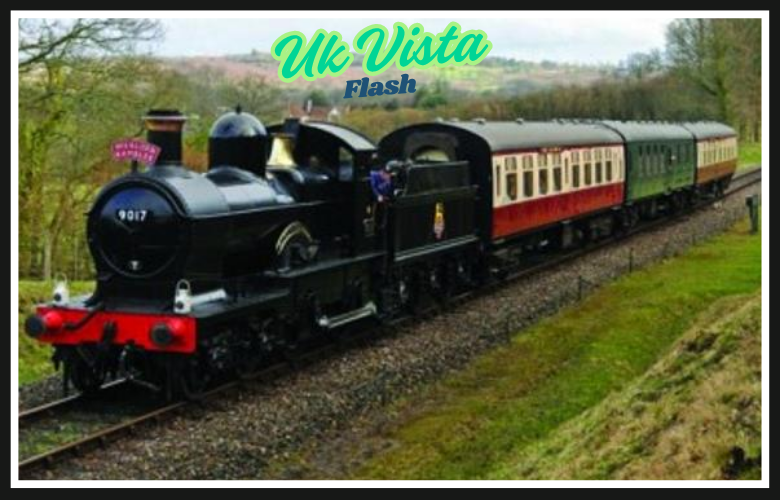
Visiting the Bluebell Railway will be one of the most exciting ways to explore the heritage of Britain’s railways in the picturesque surroundings of the Sussex countryside. This preserved railway includes such elements as steam trains, historical stations, vintage carriages, museums and railway heritage infrastructure. It will appeal to the interests of the family audience, historians, photographers and enthusiasts of old-fashioned railways. It runs from Sheffield Park to East Grinstead through the stations of Horsted Keynes and Kingscote. In addition to enjoying the ride, visitors will have the opportunity to learn a lot of information about railway workers, engineering, Victorian travel and the preservation of the heritage.
The History Behind the Historic Railway
The railway has roots reaching back to the Victorian period, when the Lewes and East Grinstead Railway opened in 1882. The route soon became associated with the London, Brighton and South Coast Railway, linking communities across the Sussex landscape. Its original purpose was practical, providing passenger and goods transportation rather than creating a heritage experience. Over time, however, changing travel patterns and competition from roads reduced the importance of the railway. This early history gives the preserved line a strong connection with the wider development of British transportation.
The original railway closed to regular passenger services in 1958, but its story did not end there. Railway enthusiasts recognised that the line had significant historical value and began working to preserve part of the route. Their efforts eventually created one of the earliest preserved heritage railway operations in Britain. Passenger services began on the preserved railway in August 1960, marking an important moment in the development of railway preservation. Since then, volunteers and railway specialists have continued restoring buildings, vehicles, equipment, and infrastructure.
The preservation movement also helped demonstrate that an abandoned railway could become a living heritage attraction. Instead of placing locomotives inside a museum and displaying them behind barriers, the project kept trains operating on an authentic railway environment. That approach allows visitors to experience the sounds, movement, atmosphere, and engineering associated with historic train travel. It also creates an ongoing need for restoration, maintenance, operations, and specialist skills. As a result, railway preservation becomes something visitors can observe rather than simply read about.
Today, the heritage operation covers approximately 11 miles between Sheffield Park and East Grinstead. Four stations represent different periods of railway history, creating a journey through changing architectural and operational styles. Sheffield Park reflects the late Victorian and pre-grouping period, while Horsted Keynes represents the Southern Railway era. Kingscote provides the atmosphere of a quieter country station, while East Grinstead connects heritage railway travel with the modern National Rail network.
The historical importance of the line therefore comes from more than its steam locomotives. Its stations, signalling equipment, carriages, workshops, records, and operating practices all contribute to the overall heritage experience. The railway demonstrates how transport shaped communities and influenced everyday life in Britain. It also preserves physical examples of railway technology that would otherwise have disappeared from regular use. For visitors, this makes a journey an opportunity to experience history in motion rather than simply view historic objects.
What Makes the Journey Special
A journey on the Bluebell Railway combines traditional train travel with views across the Sussex countryside. Instead of travelling rapidly between major urban centres, passengers experience a slower pace that allows the landscape and railway environment to become part of the attraction. Steam locomotives add movement, sound, and atmosphere, while vintage carriages provide a different experience from modern commuter trains. The route also passes through preserved stations that have been restored to reflect particular periods of railway history. Together, these elements create a journey built around atmosphere as much as transportation.
The railway can be particularly appealing to photographers because trains, platforms, signals, buildings, and countryside provide varied subjects. Historic details such as station signs, waiting rooms, railway clocks, carriage interiors, and locomotive machinery add visual interest. Different seasons can also change the character of the surrounding landscape, creating opportunities for different types of photography. Visitors should remain within permitted areas and follow staff instructions around operational railway equipment. The working nature of the railway means safety remains more important than getting a particular photograph.
For families, the journey offers a practical way to introduce children to transport history without making the experience feel like a conventional classroom lesson. The movement of the locomotive immediately creates interest, while stations and museum displays provide opportunities to explore further. Younger visitors can also encounter interactive elements connected with railway technology and history. The combination of travel, objects, sounds, and hands-on learning can make the subject easier to understand. This mixture is one reason heritage railways continue to attract visitors beyond dedicated railway enthusiasts.
The route also appeals to people interested in British engineering. Steam locomotives demonstrate how heat, water, pressure, mechanical movement, and carefully designed components work together to create traction. Visitors can gain a better appreciation of this technology by seeing locomotives at close range rather than only encountering photographs or written descriptions. At Sheffield Park, SteamWorks! provides an especially useful introduction to the workings and stories of steam locomotives. The experience includes access to locomotive footplates and exhibits designed to explain steam technology in an accessible way.
Several features make a visit especially worthwhile:
- Steam and heritage train journeys through Sussex scenery
- Historic stations representing different railway periods
- Railway museum displays and archive material
- Vintage locomotives, carriages, and railway equipment
- Interactive learning at Sheffield Park
- Photography opportunities around preserved railway architecture
- Special services and events throughout the operating calendar
These attractions mean visitors can shape the experience around their own interests. Someone interested in locomotives may spend more time around the engineering displays, while families may prefer the museum and interactive features. History enthusiasts can focus on station architecture and railway development. Because services and special activities can vary by date, checking the current timetable before travelling is important.
Exploring the Four Historic Stations
Sheffield Park is an important starting point for many visitors and contains several of the railway’s major visitor facilities. The station has been restored to reflect its Brighton-era appearance and provides access to the museum and SteamWorks! experience. Visitors can therefore combine a train journey with exhibitions and displays before or after travelling. The station also provides facilities including parking, refreshments, toilets, and visitor services. Its combination of operational railway activity and heritage attractions makes it more than simply a boarding point.
Horsted Keynes is another major highlight because of its preserved railway character and substantial station layout. The station represents the Southern Railway period and provides a strong sense of how a busy junction station once operated. Its platforms, buildings, signs, and railway infrastructure contribute to the historical atmosphere. Visitors can explore the station environment while waiting for trains or travelling through the line. For enthusiasts, it is also an excellent location for appreciating the relationship between locomotives, carriages, signals, and station operations.
Kingscote offers a quieter contrast to the larger stations along the route. Its atmosphere reflects the character of a rural railway station from the period after the railway companies were consolidated into British Railways. The surrounding countryside adds to its appeal and creates a more peaceful setting for visitors. Station details help show how railway architecture varied according to location, function, and period. Although smaller than some other stops, Kingscote contributes an important part of the overall historical journey.
East Grinstead provides a particularly useful connection between heritage travel and the modern railway network. The preserved station is positioned alongside the National Rail station, making access convenient for passengers arriving by train. The heritage railway returned to East Grinstead in 2013 after decades of preservation and restoration work. Visitors arriving by mainline train can reach the heritage platform with only a short walk. This connection gives the railway an important role within the wider regional transport story.
Each station represents a different chapter in railway history, so travelling between them provides more than a simple point-to-point journey. Sheffield Park highlights Victorian railway heritage, Horsted Keynes reflects the Southern Railway era, and Kingscote captures the atmosphere of a rural station. East Grinstead then connects the historic experience with contemporary rail travel. This variety makes the route especially valuable for people who want to understand how railway design and operation changed over time. The stations effectively turn the journey into a moving historical exhibition.
Steam Locomotives, Carriages and Engineering
Steam locomotives remain one of the strongest attractions for visitors interested in traditional railway travel. The railway has a significant collection of historic engines and carriages, including vehicles connected with Britain’s former railway companies and British Railways. Some locomotives operate services, while others may be undergoing restoration or appearing in static displays. The availability of particular engines can change because heritage locomotives require regular inspection, maintenance, and overhaul. Visitors who have a favourite locomotive should therefore check the current operating roster before travelling.
The locomotive roster can change according to maintenance requirements and operational availability. This is an important difference between a preserved railway and a conventional commercial transport service. Historic engines require specialist care, and keeping them operational involves engineering work that can continue for months or years. Restoration teams must balance historical authenticity with modern safety requirements. This ongoing work is an essential part of preserving railway technology for future generations.
Vintage carriages are equally important because they show what passenger travel looked and felt like in earlier periods. Their interiors, seating arrangements, windows, doors, lighting, and fittings can reveal social and technological changes that locomotives alone cannot demonstrate. Travelling inside a preserved carriage provides a stronger connection with railway history because visitors occupy the same type of space used by passengers decades ago. The movement of the carriage also helps explain how railway journeys differed from modern travel. Together, engines and carriages create a more complete historical experience.
Engineering enthusiasts can explore the subject further at SteamWorks! in Sheffield Park. The facility is located within a working locomotive shed, giving visitors a closer view of the environment in which steam engines are maintained and operated. Exhibits explain steam generation, mechanical systems, locomotive operation, and the wider history of steam technology. Visitors can also step onto the footplates of selected locomotives, subject to accessibility and operational conditions. Because the facility is a working environment, it can be noisy, dusty, and industrial in character.
The engineering story also explains why heritage railway preservation requires so much specialist knowledge. Locomotives contain complex mechanical systems that must operate safely under demanding conditions. Workshops therefore play a vital role in keeping historic vehicles available for public service. Restoration projects can involve detailed research, skilled fabrication, machining, inspection, and careful testing. When visitors see an operational steam locomotive, they are also seeing the result of extensive conservation and engineering work behind the scenes.
Museum, Learning and Family Experiences
The railway museum adds another dimension to the experience by placing railway technology within its wider social and historical context. Located at Sheffield Park, the museum contains objects connected with railway travel, railway workers, station life, and changing technology. Exhibits include railway signs, clocks, booking-office equipment, historical records, and other artefacts. These objects help explain how railways affected both the people who worked on them and the passengers who used them. The museum therefore complements the physical journey with a deeper understanding of railway life.
Interactive features make the museum particularly useful for younger visitors. The displays include model railway elements, handling activities, railway-themed discovery tasks, and opportunities to explore signalling equipment. A restored signal box allows visitors to understand how railway staff controlled movements and communicated before modern digital systems. These experiences turn complicated railway concepts into something more visual and practical. As a result, children can learn about engineering and history while still enjoying the sense of discovery associated with a day out.
The museum also preserves social history that goes beyond locomotives and mechanical equipment. Railway development affected employment, communities, travel habits, communication, commerce, and everyday routines. Historical photographs and personal stories can reveal how people experienced railway stations and journeys in earlier generations. This broader perspective helps visitors understand why railway heritage matters beyond the machinery itself. It also gives the attraction relevance to people who may not consider themselves railway enthusiasts.
The museum is generally available to visitors holding a train or platform ticket when scheduled services are operating. The railway provides accessibility information and assistance for visitors who may require additional support. The museum itself is accessible to mobility-aid users, although some historic structures have physical limitations. Staff and stewards can assist visitors, while large-print guide sheets are available on request. Checking current accessibility arrangements before travelling remains advisable because individual facilities can differ.
Families can therefore build a flexible day around the railway rather than treating the train journey as the only attraction. A visit can include the train, station exploration, museum exhibits, engineering displays, refreshments, and seasonal activities when available. This flexibility makes the experience suitable for different ages and interests. Children can focus on interactive displays while adults explore historical details and railway architecture. With sensible planning, the railway can provide both entertainment and meaningful educational value.
Planning a Better Visit
Planning ahead can make a heritage railway visit much more enjoyable because operating patterns vary throughout the year. Regular services, dining trains, special events, and seasonal programmes may operate on different dates. The official timetable is therefore the best place to confirm whether trains are running on your chosen day. Visitors should also check the locomotive roster if seeing a particular engine is important. Heritage railway operations can change because of maintenance, engineering requirements, weather, or locomotive availability.
Choosing the right starting point depends largely on how you intend to travel. Sheffield Park offers extensive visitor facilities and access to the museum and SteamWorks!, making it useful for a full heritage-focused day. East Grinstead is particularly convenient for visitors arriving by National Rail because the preserved station sits alongside the modern railway station. Horsted Keynes and other stations can also be useful depending on the day’s service pattern. Checking the latest access information before departure can help avoid unnecessary delays.
Parking is available at key stations, while public transport can provide another option for visitors who prefer not to drive. Sheffield Park has parking facilities including accessible spaces, while Horsted Keynes also has parking with additional seasonal capacity. East Grinstead benefits from its direct relationship with the National Rail station. These different access options make the railway practical for both local visitors and people travelling from further away.
It is also sensible to dress for the nature of a working heritage railway. Steam locomotives can produce noise, smoke, steam, and distinctive smells, while locomotive sheds can be dusty or chilly depending on the season. Comfortable footwear is useful because visitors may spend considerable time walking between platforms, museums, stations, and other facilities. Families with young children should also remain attentive around platforms and moving railway vehicles. The railway is an active operational environment rather than a static museum, so following staff guidance is essential.
Before leaving home, a simple preparation routine can improve the experience considerably. Check the service date, departure times, locomotive information, access arrangements, facilities, and any special-event requirements. Allow enough time to explore the museum and stations rather than arriving immediately before departure. If photography is important, research permitted viewing areas and remain behind safety boundaries. Most importantly, treat the railway as both a heritage attraction and a working transport environment.
Why the Railway Still Matters Today
The Bluebell Railway represents an important part of Britain’s heritage preservation story because it transformed a closed railway route into an operating historical attraction. Its preservation demonstrates how volunteers, engineers, historians, railway workers, and supporters can protect infrastructure that might otherwise disappear. The continued operation of trains also keeps practical railway skills alive. These skills include locomotive maintenance, carriage restoration, signalling, operations, conservation, and historical research. In this sense, the railway preserves knowledge as well as physical objects.
Its educational value is equally significant because visitors can see how railway systems worked as connected networks. A locomotive needs tracks, signalling, stations, staff, maintenance facilities, and carefully managed operating procedures. Museums and working railway facilities reveal these relationships more effectively than isolated exhibits can. The experience therefore provides a practical introduction to industrial history and engineering. For younger visitors, it can even inspire curiosity about mechanical systems, transportation, and conservation.
The attraction also contributes to the cultural identity of the Sussex region. Its route passes through rural landscapes while preserving buildings and railway infrastructure associated with local communities. Heritage tourism can encourage visitors to spend additional time in surrounding towns and countryside. The railway’s connection with East Grinstead also links historic travel with contemporary transport infrastructure. This combination gives the attraction relevance both as a heritage project and as part of the modern visitor economy.
Another important feature is the contribution made by volunteers and specialist teams. Museums, archives, restoration projects, locomotive departments, and operational services all depend on people with different skills. The railway’s museum and archive work is supported by volunteers, while restoration and engineering projects require specialist knowledge. This collaborative model allows a large body of railway history to remain accessible to the public. It also provides opportunities for people to develop practical skills while contributing to conservation.
For visitors, the enduring appeal is ultimately simple: the railway allows people to experience history rather than only read about it. A steam locomotive moving through Sussex countryside creates a sense of place, sound, motion, and atmosphere that photographs cannot fully reproduce. Historic stations provide additional context, while museums explain the people and technology behind the journey. Together, these elements make the railway valuable to enthusiasts, families, photographers, historians, and curious travellers. Its preservation ensures that future generations can continue to encounter Britain’s railway heritage in a living environment.
Making the Most of Your Day
A successful visit begins with realistic expectations about what can be experienced in one day. The train journey itself deserves enough time to enjoy the scenery and stations without rushing from one attraction to another. Adding the museum and engineering displays can turn a simple train ride into a fuller heritage experience. Families may want additional time for interactive exhibits and refreshments. Meanwhile, enthusiasts may prefer to spend longer observing locomotives, station details, and railway operations.
The most useful approach is to build the day around the current service timetable rather than assuming trains operate continuously. Departure times determine how long you can explore each station and when you can return to your starting point. Special event days may offer additional attractions but can also be busier than ordinary operating days. Checking the latest information before travelling helps you understand what will actually be available. This small amount of preparation can make the day feel much more relaxed.
Photography should also be approached with patience because the railway environment is constantly moving. Instead of trying to capture every locomotive, choose a few viewpoints where the station architecture and surrounding landscape add context. Historic signs, carriage details, steam effects, and railway workers can create stronger images than a locomotive alone. Always follow railway instructions and remain in approved visitor areas. A safe photograph is far more valuable than a risky attempt at getting closer to an operational train.
Visitors who enjoy history should take time to read the information around the stations and museum exhibits. Small details can reveal how railway companies organised passenger services, employed staff, handled goods, and managed train movements. The physical environment becomes more meaningful once these connections are understood. Even familiar objects such as benches, clocks, signs, signals, and booking equipment can tell part of the railway story. Taking a slower approach often produces a richer experience than simply travelling from one end of the line to the other.
For a well-rounded day, consider including these elements:
- A heritage train journey through Sussex
- Time to explore Sheffield Park and its museum
- A visit to SteamWorks! for engineering displays
- Exploration of preserved station architecture
- Time for photography and countryside views
- A look at locomotives and vintage rolling stock
- Checking the latest timetable before departure
Ultimately, the best experience comes from treating the railway as a complete heritage environment rather than simply a steam train ride. The journey, stations, museum, engineering displays, scenery, and preservation stories all contribute to its character. Allowing time for each element creates a more rewarding and less rushed visit. Whether your interest is history, transport, photography, engineering, or family activities, there is plenty to discover. The attraction succeeds because it connects a genuine railway environment with accessible experiences for modern visitors.
(FAQs)
What Is Bluebell Railway Known For?
Bluebell Railway is known for historic steam trains, vintage carriages, preserved stations, and beautiful Sussex countryside.
It also plays an important role in Britain’s railway preservation history.
Where Does The Railway Operate?
The railway runs between Sheffield Park and East Grinstead in Sussex.
Horsted Keynes and Kingscote are the two intermediate stations along the route.
When Did Passenger Services Begin?
Preserved passenger services began in August 1960 after dedicated railway enthusiasts worked to save the historic line.
It became one of Britain’s pioneering heritage railway projects.
How Long Is The Route?
The heritage route covers approximately 11 miles through the Sussex countryside.
The journey connects several historically preserved stations and offers scenic views along the way.
Can Families Enjoy The Railway?
Yes, the railway offers attractions suitable for families, including train journeys, museums, interactive exhibits, and historic stations.
Children can learn about railway history while enjoying an engaging day out.
Can Visitors See Steam Locomotives?
Yes, visitors can see historic steam locomotives and vintage railway carriages during scheduled services and events.
However, the locomotive operating roster can change because of maintenance and restoration requirements.
Is The Railway Worth Visiting?
The bluebell railway is worth visiting for its combination of steam travel, history, engineering, museums, and scenic countryside.
It offers an enjoyable experience for families, railway enthusiasts, photographers, and history lovers.
Conclusion
In addition to providing tourists with a memorable ride on a historical train, the railway presents many aspects of Britain’s past rail experience in great detail via its heritage stations, steam engines, old-fashioned train cars, museum collections and engineering workshops. The preserved railway line is a good illustration of the role that volunteers, conservation, engineering and local communities play. Travellers get an opportunity to take a tour through beautiful scenery, learning about technological development, work opportunities, community growth and everyday life shaped by the railways. Planning ahead of time will help to explore the places of interest and check on availability of trains in advance.
Share.
