

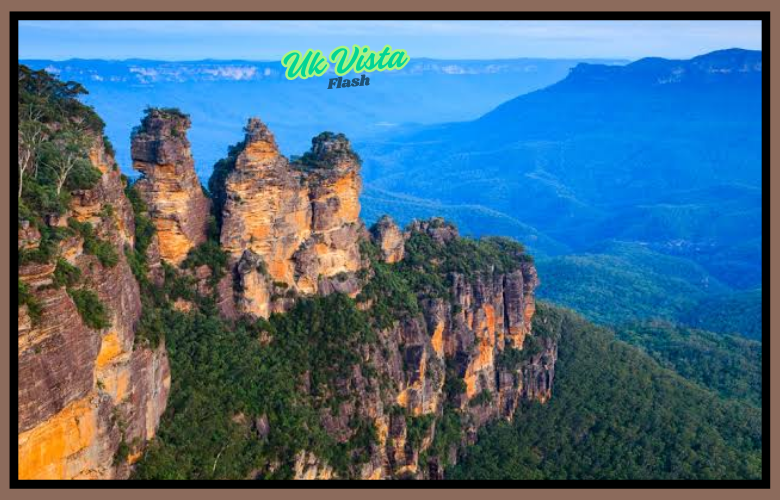
The Blue Mountains in New South Wales, Australia are an awesome getaway from the bustling city of Sydney, featuring sandstone cliffs, forests of gum trees, waterfalls, towns, and spectacular valley scenery. The unique natural World Heritage site is ideal for new visitors due to its suitability for easy sightseeing along with some enjoyable bushwalking. Katoomba, Leura, Wentworth Falls, and Blackheath are good places from where one can explore various sections of the area. Whether it is Three Sisters or other lesser-known locations, each place has something to offer, giving people an insight into different aspects of the Blue Mountains.
Why Visit This Remarkable Australian Region?
The region is famous for its dramatic sandstone escarpments, deep valleys, waterfalls, and extensive eucalyptus forests. Its distinctive blue appearance comes from atmospheric conditions associated with the vast eucalyptus-covered landscape. Beyond its scenery, the Greater Blue Mountains Area has exceptional ecological importance and was added to the UNESCO World Heritage List in 2000. The protected property covers about 1,032,649 hectares, showing just how extensive this natural landscape really is.
First-time travellers will find that the destination offers much more than a single famous viewpoint. Katoomba provides easy access to major attractions, while Leura offers gardens, cafés, shops, and a relaxed village atmosphere. Blackheath introduces visitors to impressive escarpments and quieter walking areas farther west. Wentworth Falls adds waterfalls, forest trails, and panoramic views to the experience. Together, these communities create a varied itinerary without requiring complicated travel arrangements.
Nature is one of the strongest reasons to visit this part of New South Wales. The landscape supports diverse eucalyptus communities, native wildlife, sandstone formations, gullies, cliffs, and waterfalls. UNESCO recognises the area’s importance for its biological diversity and ecological processes. The combination of natural features also creates different experiences throughout the year. Visitors can therefore return in another season and discover scenery that feels noticeably different.
The area also has important Aboriginal cultural connections that deserve respectful attention. The Three Sisters Aboriginal Place, for example, is recognised as a location of special cultural significance to Aboriginal people. Understanding this heritage adds depth to a visit because the landscape is more than a collection of scenic photographs. Visitors should follow signs, respect restricted areas, and avoid treating cultural sites as ordinary tourist attractions. Responsible travel helps protect both natural and cultural values for future generations.
Another advantage is its accessibility from Sydney. The destination begins roughly 60 kilometres from the city, making it suitable for a day trip as well as a longer escape. Katoomba can be reached by road or train, although journey times vary according to traffic, service patterns, and stops. This combination of accessibility and natural beauty makes the region particularly attractive to travellers visiting Sydney for the first time.
Best Places to Explore First
Katoomba is the most practical starting point for many visitors because several major attractions are located nearby. Echo Point provides the classic view of the Three Sisters and the Jamison Valley. Scenic World offers another way to experience the dramatic terrain, while nearby walking tracks lead into the surrounding forest. Katoomba itself has accommodation, restaurants, cafés, galleries, and useful visitor facilities. Staying here can make a first visit easier because many attractions are within convenient reach.
Leura provides a softer contrast to Katoomba’s busier visitor areas. Its tree-lined streets, gardens, independent shops, and cafés make it appealing for travellers who enjoy combining sightseeing with relaxed local experiences. The village can easily be included in a day itinerary after visiting nearby attractions. It is also close to several walking routes and scenic areas. Spending a few hours here gives visitors a chance to experience the character of the mountain communities rather than focusing only on national park landmarks.
Blackheath is a strong choice for visitors who want expansive views and a quieter atmosphere. Govetts Leap is one of its best-known scenic areas, offering dramatic perspectives across rugged valleys and cliffs. The surrounding walking routes provide opportunities for travellers who want to spend more time outdoors. Blackheath is farther from Sydney than Katoomba, so it works especially well as part of a longer itinerary. Its peaceful setting can also provide a welcome change after visiting popular attractions.
For a first visit, these areas provide a useful combination of scenery, culture, food, and outdoor activities:
- Katoomba: Three Sisters, Echo Point, Scenic World, accommodation, and restaurants.
- Leura: Village streets, cafés, gardens, shops, and nearby walking routes.
- Wentworth Falls: Waterfalls, lookouts, forest scenery, and bushwalking.
- Blackheath: Govetts Leap, dramatic valleys, and quieter outdoor experiences.
- Megalong Valley: Rural scenery, valley landscapes, and a slower countryside atmosphere.
Wentworth Falls is another worthwhile addition for travellers who have enough time. The area includes scenic viewpoints and walking opportunities around the national park. The Valley of the Waters lookout near the Conservation Hut provides a particularly attractive perspective over the surrounding landscape. Rather than trying to visit every attraction, first-time visitors should choose several locations that match their interests and allow enough time to enjoy each one.
Top Things to Do and Experience
Bushwalking is one of the best ways to understand the scale and character of the landscape. A viewpoint can reveal the cliffs and valleys from above, but a walking track lets visitors experience forests, rock formations, streams, and changing elevations at ground level. Trails range from short, accessible routes to demanding multi-hour adventures. The right choice depends on fitness, weather, available time, and previous hiking experience. Checking official track information before departure is especially important because conditions and closures can change.
The Three Sisters is an obvious first stop because it combines scenery, accessibility, and cultural significance. The Three Sisters walk from Echo Point is a short 0.8-kilometre return route with an estimated walking time of 25 to 45 minutes. NSW National Parks classifies it as Grade 1, making it suitable for visitors without specialist hiking experience. The path also provides access to viewpoints where travellers can appreciate the surrounding sandstone landscape.
Scenic World provides another perspective for visitors who may not want to spend the entire day hiking. Its attractions allow travellers to experience the steep terrain and forested valleys through purpose-built visitor experiences. Families may find this particularly convenient because it combines dramatic scenery with a structured attraction. Visitors can then use remaining time for a shorter walk or village exploration. Combining active and relaxed experiences usually creates a more balanced first-day itinerary.
Photography is another major attraction throughout the region. Morning and late afternoon can produce changing shadows across sandstone cliffs, forests, and valleys. However, travellers should never approach cliff edges simply to obtain a better photograph. NSW National Parks specifically advises visitors to keep well away from cliff edges and waterfalls and to remain on designated tracks. Good photography should always come second to personal safety and environmental protection.
Wildlife watching can also add another dimension to the journey. Native birds, reptiles, and other Australian animals inhabit the forests and protected areas, although sightings are never guaranteed. Visitors should observe wildlife from a respectful distance rather than attempting to feed or approach animals. Quiet walking can increase the chance of noticing natural activity that might otherwise be missed. Patience, appropriate behaviour, and careful observation are more rewarding than trying to force an encounter.
Getting There and Choosing Your Base
Travelling from Sydney is relatively straightforward, with both driving and public transport available. The most common driving route follows the M4 and Great Western Highway towards the mountain towns. Visit NSW estimates the drive to Katoomba at around 90 minutes under normal conditions, although traffic and road conditions can affect actual travel times. Travellers should check current transport information before leaving because road conditions can change.
Train travel is particularly useful for visitors who do not want to rent a car. Blue Mountains Line services connect Sydney with several mountain communities, including Katoomba and Leura. Express services to Katoomba can take around 90 minutes, while stopping services can take longer. Public transport works especially well for visitors planning to concentrate on the central mountain towns rather than remote walking areas.
Driving becomes more useful when the itinerary includes several distant viewpoints or communities. A private vehicle allows visitors to change plans easily and stop at places that may not be conveniently connected by public transport. However, popular areas can become busy during weekends and public holidays. NSW National Parks warns that roads into the national park can experience heavy traffic during peak periods. Arriving early can therefore make parking and sightseeing considerably easier.
Katoomba is usually the simplest base for first-time visitors because of its central location and range of accommodation. The town provides access to major attractions while also offering restaurants, cafés, shops, and transport connections. Leura is another appealing option for travellers who prefer a quieter village atmosphere. Blackheath can suit visitors who want to concentrate more heavily on scenic lookouts and walking. The best base ultimately depends on whether convenience, atmosphere, hiking access, or accommodation style matters most.
A day trip can cover the most recognisable attractions, but an overnight stay generally provides a more relaxed experience. Spending two nights allows visitors to avoid rushing between viewpoints and gives them more time for walking. It also creates opportunities to explore smaller towns and enjoy the landscape after many day visitors have left. Travellers with three days can venture farther into the wider region. Longer stays are particularly worthwhile for hikers, photographers, nature enthusiasts, and people seeking a slower pace.
When to Visit and How to Prepare
There is no single perfect season for visiting because each period offers different advantages. Spring can bring fresh vegetation and pleasant conditions for outdoor activities. Autumn often provides comfortable temperatures for walking, while winter brings cooler mountain weather and crisp conditions. Summer provides longer daylight hours but requires greater attention to heat, fire danger, and changing weather. Checking forecasts before travelling is essential regardless of the season.
Mountain weather can differ noticeably from conditions in Sydney. Temperatures may fall quickly, while clouds, rain, wind, and visibility can change during the day. NSW National Parks warns visitors that weather in the area can be very different from Sydney and recommends preparing for colder and changeable conditions. Dressing in layers is therefore a sensible approach for both short sightseeing trips and longer walks.
Good footwear is important even for travellers who do not consider themselves hikers. Several viewpoints have uneven surfaces, stairs, slopes, or nearby walking tracks. Longer trails require more preparation because fatigue, heat, rain, and changing terrain can turn a simple outing into a challenging experience. Carrying enough water is also important, particularly during warm weather. Visitors should never underestimate the physical demands of descending into and climbing out of mountain valleys.
Safety becomes even more important when exploring remote sections of the national park. Mobile reception can be limited, and visitors heading on longer or remote walks should prepare appropriately. NSW National Parks recommends additional planning for long hikes, off-track adventures, overnight trips, and remote areas, including consideration of a Personal Locator Beacon. Staying on marked routes and checking alerts before departure can significantly reduce avoidable risks.
Before travelling, visitors should also check official information about closures, fires, weather, road conditions, and walking-track access. Some areas may close temporarily because of maintenance, poor weather, fire danger, or other safety concerns. These changes can affect even well-planned itineraries. A flexible schedule makes it easier to substitute another attraction when necessary. Good preparation is not about limiting adventure; it allows travellers to enjoy it with greater confidence.
Responsible Travel and Protecting the Landscape
The natural environment is one of the region’s greatest attractions, so visitors should make conservation part of their trip. Walking only on marked tracks helps prevent erosion and protects sensitive vegetation. Taking rubbish away is equally important because not every national park location provides bins. At the Three Sisters walk, NSW National Parks specifically asks visitors to take their rubbish with them. Small responsible actions can make a meaningful difference when visitor numbers are high.
Wildlife should be observed rather than disturbed. Feeding native animals can alter natural behaviour and create risks for both wildlife and people. Plants, rocks, fossils, and other natural materials should remain where they are found. Visitors should also keep noise levels reasonable, particularly in quieter forest and camping areas. Respecting the environment helps preserve the authentic experience that attracts people to the region.
Cultural respect is equally important when visiting Aboriginal places and learning about Indigenous heritage. The landscape has been connected with Aboriginal communities for thousands of years, and some locations hold special cultural meaning. Travellers should follow local interpretation, obey restrictions, and avoid inappropriate photography or behaviour where guidance requires caution. The Three Sisters Aboriginal Place is specifically recognised for its cultural significance. Learning about this heritage can make a visit more meaningful while encouraging respectful tourism.
Supporting local communities is another practical form of responsible travel. Eating at independent cafés, shopping with local businesses, and choosing locally operated accommodation can help keep tourism benefits within mountain communities. Visitors can also reduce unnecessary environmental pressure by planning transport efficiently and avoiding waste. Longer stays may provide greater value to local businesses than rushed day trips. Thoughtful spending can therefore support both the visitor experience and the destination itself.
Responsible travel does not require visitors to give up comfort or enjoyment. Instead, it means understanding that national parks are living environments rather than theme parks. Following safety instructions, respecting closures, protecting wildlife, and leaving natural areas undisturbed are simple habits that benefit everyone. These practices also help preserve scenic places for future visitors. A responsible traveller leaves with photographs and memories rather than damage behind.
Planning Your First Visit Successfully
The easiest way to plan a first trip is to focus on a small number of experiences rather than attempting to cover the entire region. Begin with Katoomba and the Three Sisters, then add a walk, scenic attraction, or village visit based on your interests. If you have more time, continue towards Wentworth Falls or Blackheath. This approach keeps the itinerary realistic while leaving room for unexpected discoveries. It also reduces the stress that comes from constantly watching the clock.
A one-day visit works best when travellers start early and concentrate on nearby attractions. Echo Point can provide the first major viewpoint, followed by the Three Sisters walk and another nearby experience. Lunch in Katoomba or Leura can then break up the sightseeing before an afternoon lookout or short trail. Travellers should allow extra time for parking and traffic during busy periods. Returning to Sydney by train can also be convenient for those who prefer not to drive.
A weekend gives visitors considerably more flexibility and allows them to explore beyond the main tourist centre. The first day can focus on Katoomba, Echo Point, and a manageable walk, while the second can explore Leura, Wentworth Falls, or Blackheath. An overnight stay removes the pressure of completing everything before evening. It also creates opportunities for slower meals and village exploration. Travellers who enjoy hiking should consider staying longer so they can choose trails according to weather and conditions.
A successful itinerary should always include some flexibility because mountain conditions can change. A planned lookout may be affected by fog, a walking track may close, or heavy traffic may alter the expected schedule. Having alternative attractions nearby makes these changes easier to manage. Official NSW National Parks information should be checked shortly before visiting for alerts and closures. Flexible planning is particularly valuable for first-time visitors unfamiliar with the area’s distances and terrain.
A practical first-time plan can be structured around these priorities:
- Start early and travel towards Katoomba.
- Visit Echo Point and the Three Sisters.
- Choose one suitable walking experience.
- Explore Katoomba or Leura for food and local atmosphere.
- Add Wentworth Falls or Blackheath if time allows.
- Check weather, track alerts, and transport updates before returning.
- Stay overnight when possible for a less rushed experience.
(FAQs).
Why Visit Blue Mountains Australia?
The Blue Mountains offer dramatic cliffs, eucalyptus forests, waterfalls, walking trails, and scenic viewpoints.
They are also close enough to Sydney for convenient day trips.
How Far From Sydney?
The region is roughly 60 kilometres from Sydney, although travel times vary by destination.
Katoomba can generally be reached by road or train.
What Is Katoomba Known For?
Katoomba is a major visitor hub with easy access to the Three Sisters and Echo Point.
It also has restaurants, accommodation, cafés, and walking opportunities.
When Should You Visit?
Spring and autumn often provide comfortable conditions for outdoor activities and walking.
However, weather can change quickly, so checking forecasts is recommended.
Are There Good Hiking Trails?
Yes, visitors can choose from short scenic walks to challenging multi-hour hiking routes.
Always check track conditions, weather alerts, and difficulty levels beforehand.
Can You Visit Without Driving?
Yes, trains connect Sydney with mountain towns including Katoomba and Leura.
Local buses can also provide access to several popular attractions.
What Should Visitors See First?
The Three Sisters, Echo Point, Katoomba, and nearby scenic viewpoints are good starting points.
Travellers with more time can explore Leura, Wentworth Falls, and Blackheath.
Conclusion
The Blue Mountains provide an incredible getaway experience with sheer cliffs, eucalypt forests, waterfalls, bushwalking tracks, and beautiful mountain villages. Newcomers can make the most of their time in the area by concentrating on Katoomba, Echo Point, The Three Sisters, and other scenic spots in the vicinity. An overnight stay allows additional time for exploring some of the quieter spots like Leura, Wentworth Falls, and Blackheath. Prior to setting out, ensure you check the weather forecasts, park news, transport information, and details about bushwalking tracks. Show respect for Aboriginal cultural sites and wildlife and abide by the national park rules during your trip.
Share.
