

Woodpeckers are truly amazing birds that add colour, life and song to the natural landscape of Britain. These birds, which have strong beaks, climb on trees and make drumming sounds, can be found in woodlands, parks, countryside locations, and even gardens. There are various species of woodpeckers in the UK that vary in looks, diets, and behaviour. From the Great Spotted Woodpeckers to the Lesser Spotted Woodpeckers, these birds still intrigue many nature lovers in the UK. This article looks at various species of woodpeckers in Britain, their habitats, diets, conservation and how to identify them.
Great Spotted Woodpecker: Britain’s Most Familiar Species
The Great Spotted Woodpecker is the species that many people recognise from British woodlands. It has black and white feathers, a red patch under its tail, and males usually have a red mark on the back of their heads. These adaptable birds often visit gardens where feeders provide seeds, nuts, and other food sources. In addition, their loud drumming on tree trunks makes them one of the easiest woodland birds to identify.
Great Spotted Woodpeckers use their powerful bills to search for insects hidden under tree bark. They also eat seeds, berries, and nuts throughout the year. Because they adapt well to different environments, their numbers remain strong across Britain. Garden owners can attract them by creating safe spaces with natural food and suitable shelter.
- They mainly eat insects, larvae, seeds, and nuts.
- They use tree holes for nesting and raising young birds.
- Their drumming helps them communicate with other woodpeckers.
Green Woodpecker and Lesser Spotted Woodpecker Features
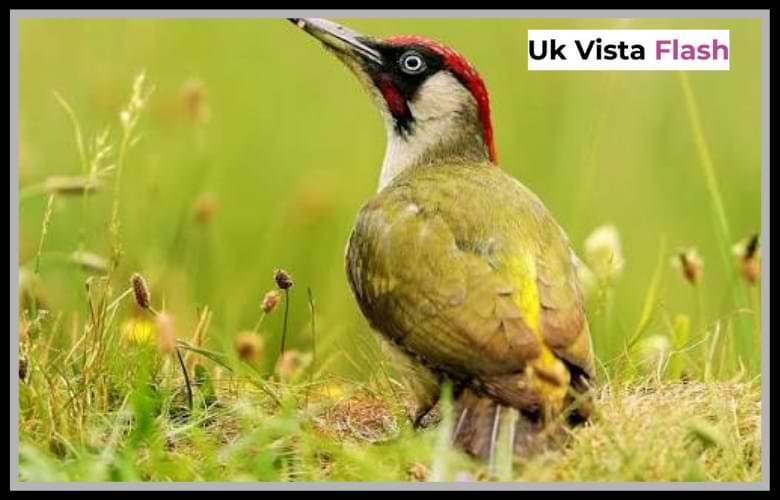
The Green Woodpecker is Britain’s largest woodpecker species and has a very distinctive appearance. Its green feathers, yellow rump, and red crown make it easy to recognise. Unlike many other woodpeckers, it spends a lot of time on the ground searching for ants. Its loud “yaffle” call often helps people find it before they actually see the bird.
Meanwhile, the Lesser Spotted Woodpecker is the smallest species found in Britain. It prefers older woodland areas where it can search for insects and build nests. However, this species has become harder to spot due to habitat changes and population decline. Protecting mature forests and woodland areas helps provide better conditions for these birds.
- Green Woodpeckers often feed on lawns and grass areas.
- Lesser Spotted Woodpeckers prefer quiet woodland habitats.
- Old trees provide important nesting and feeding locations.
Where Woodpeckers Live and the Best Places to See Them
Woodpeckers need suitable environments that provide food, shelter, and nesting areas. They usually live in ancient woodlands, forests, parks, nature reserves, and gardens with mature trees. Furthermore, deadwood areas are valuable because they attract insects that form an important part of their diet. Protecting these natural spaces helps maintain healthy bird populations.
For the best chance of seeing these birds, visit quiet areas during the early morning. At this time, woodpeckers are more active and easier to locate because they often make their characteristic sounds. People searching for a woodpecker uk experience should explore places with tall trees, woodland edges, and areas rich in insects.
- Ancient woodland with mature trees.
- Protected nature reserves.
- Wildlife-friendly gardens with feeders.
Woodpecker Behaviour, Diet and Interesting Facts
Woodpeckers have developed special features that help them survive in woodland environments. Their strong bills allow them to create holes in trees, while their sharp claws help them climb and hold onto tree trunks. Additionally, their unique body structure protects them while they repeatedly strike trees. These abilities make them highly skilled woodland birds.
Their diet changes depending on the season and available food. During warmer months, they mainly search for insects and larvae, while seeds and nuts become more important during colder periods. Also, the holes they create in trees provide shelter for other birds and small animals.
- Woodpeckers can find insects hidden inside tree bark.
- Their nesting holes benefit other wildlife species.
- Drumming helps attract mates and protect territories.
How to Attract Woodpeckers to Your Garden
Many people enjoy seeing woodpeckers visit their gardens because these birds bring nature closer to home. Providing the right food and creating a safe environment can encourage regular visits. For example, feeders with peanuts, sunflower seeds, and specialist bird food can attract these beautiful birds. Native plants and mature trees can also provide natural feeding areas.
A wildlife-friendly garden does not need to be large. Even small changes, such as reducing pesticide use and keeping natural areas, can make a difference. As a result, gardens can become valuable spaces for local birds and other wildlife.
- Add suitable bird feeders.
- Plant native trees and shrubs.
- Keep areas where insects and shelter can develop.
Conservation Importance and Protecting British Woodpeckers
Protecting woodpeckers requires healthy woodland habitats and responsible environmental care. Changes in forests, fewer mature trees, and reduced insect numbers can affect these birds. However, conservation groups and wildlife organisations continue to protect important habitats and support biodiversity across Britain.
The future of British woodpeckers depends on maintaining natural spaces and encouraging wildlife-friendly practices. By protecting old trees, supporting conservation projects, and creating suitable gardens, people can help these birds survive. Every sighting of a Great Spotted Woodpecker or Green Woodpecker creates a valuable connection with British nature.
- Protect old woodland areas.
- Encourage biodiversity in gardens.
- Support responsible birdwatching.
(FAQs)
1. How many woodpecker species are found in the UK?
The UK has three main woodpecker species: Great Spotted Woodpecker, Green Woodpecker, and Lesser Spotted Woodpecker. Each species has different colours, behaviours, and habitats.
2. Which woodpecker is most common in Britain?
The Great Spotted Woodpecker is the most common species in Britain. You can often find it in gardens, parks, and woodland areas.
3. Where is the best place to see woodpeckers?
Woodpeckers are commonly found in forests, nature reserves, parks, and gardens with mature trees and suitable food sources.
4. What food do woodpeckers eat?
Woodpeckers eat insects, larvae, ants, seeds, nuts, and berries. Their diet changes depending on the season and available resources.
5. Why do woodpeckers drum on trees?
They drum on trees to communicate, attract mates, mark territory, and sometimes locate insects beneath the bark.
Conclusion
The woodpeckers play an essential role in Britain’s wildlife as they assist in maintaining healthy woodlands while delighting both bird watchers and nature enthusiasts alike. Due to their beautiful appearance, captivating behavior, and superb adaptations, these birds are among the most intriguing birds found in the country. Mature tree conservation, natural habitat protection, and creation of wildlife-friendly gardens are all ways that can be used by individuals in order to ensure the sustainability of these birds. It does not matter whether one sees a great spotted woodpecker in his/her backyard or hears a green woodpecker in the countryside; each sighting makes him/her feel close to nature.
