

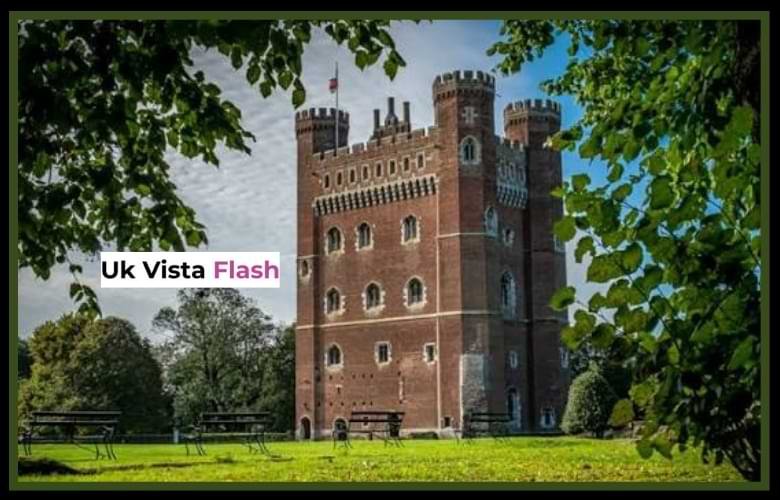
Looking down from Lincolnshire’s tranquil countryside, there is a medieval site which is one of the most amazing sites in the whole country. The majestic castle displays excellent brickwork architecture and interesting history belonging to powerful noble families. Everyone who comes will definitely be impressed by it. Well preserved for many hundreds of years, it offers stunning views and educational exhibits. All this gives visitors an idea about life in the Middle Ages. If you want to have a great heritage tour or just visit some places of historical interest in England, this guide will tell you everything about the castle.
A Journey Through Medieval History
The origins of this impressive fortress date back to the early fifteenth century when Ralph Cromwell, one of England’s most influential statesmen, commissioned its construction. As Lord Treasurer to King Henry VI, he wanted a residence that represented both wealth and political influence. Instead of relying on traditional stone, he chose high-quality brick, making the building stand out among contemporary castles.
Over the centuries, the castle experienced changing ownership, periods of neglect, and remarkable preservation efforts. Valuable architectural features narrowly escaped removal during the early twentieth century before conservationists stepped in to protect the site. Today, visitors can appreciate a structure that has survived some of England’s most significant historical periods.
Historical highlights include:
- Construction during the 1430s and 1440s
- Connection with Ralph Cromwell
- Survival through political and social change
Today, the castle represents one of the country’s best-preserved examples of medieval domestic architecture. Every wall, chamber, and staircase reflects centuries of craftsmanship, ambition, and careful restoration that continue to inspire visitors from around the world.
Architectural Features That Stand Apart
One of the most striking characteristics is its outstanding brick construction. During the medieval period, brick was considered an expensive and prestigious material, making the residence a symbol of wealth and innovation. Decorative brick patterns still remain visible, demonstrating the remarkable skill of fifteenth-century craftsmen.
The towering Great Tower dominates the surrounding landscape and remains the centerpiece of the entire estate. Its elegant windows, spacious chambers, and carefully designed interiors highlight comfort and luxury rather than purely military strength. Visitors climbing to the upper floors enjoy spectacular panoramic views across rural Lincolnshire.
Architectural highlights include:
- Decorative red brickwork
- Magnificent Great Tower
- Medieval fireplaces
Beyond its impressive appearance, the building demonstrates how architecture evolved during the late Middle Ages. Defensive elements blend seamlessly with residential comfort, creating a masterpiece that remains highly respected by historians and conservation experts alike.
What Visitors Can Expect
Walking through the castle provides an immersive experience that combines history, architecture, and stunning scenery. Carefully restored rooms feature informative displays explaining medieval daily life, noble traditions, and construction techniques. Every level reveals another fascinating aspect of England’s architectural heritage.
The surrounding grounds offer peaceful walking opportunities while providing excellent viewpoints for photography. Families often enjoy exploring the open spaces, while history enthusiasts appreciate the educational exhibits that explain the significance of various rooms and architectural details.
Popular visitor experiences include:
- Climbing the Great Tower
- Exploring exhibition rooms
- Enjoying countryside views
Many visitors spend two to three hours exploring both the interior and exterior. Seasonal events, guided tours, and educational activities add even greater value, making each visit slightly different throughout the year.
Nearby Attractions Worth Exploring
Lincolnshire offers numerous historical destinations that perfectly complement a castle visit. Historic churches, aviation museums, country parks, and charming market towns are all located within easy driving distance. Together they provide a varied itinerary suitable for couples, families, and independent travelers.
Nature lovers can also enjoy nearby lakes, woodland walks, and peaceful countryside trails. These outdoor attractions provide a relaxing contrast to the historical experience while showcasing the natural beauty of the surrounding region. Local restaurants and traditional pubs complete the day’s adventure.
Nearby places to visit:
- Lincoln Castle
- Lincoln Cathedral
- Tattershall Lakes
- Battle of Britain Memorial Flight Visitor Centre
Exploring several attractions during one trip helps visitors gain a broader understanding of Lincolnshire’s remarkable heritage, combining medieval history with aviation history, scenic landscapes, and traditional English culture.
Why This Historic Landmark Continues to Inspire
Educational exhibitions make historical information accessible for visitors of every age. Children enjoy discovering medieval life, while architecture enthusiasts admire intricate brickwork and beautifully preserved interiors. The combination of learning and exploration creates an experience that remains engaging from beginning to end.
Reasons people return include:
- Rich medieval history
- Beautiful architecture
- Outstanding countryside views
The lasting appeal of tattershall castle lies in its ability to connect modern visitors with England’s past through authentic surroundings, meaningful interpretation, and unforgettable scenery that continues to inspire curiosity and appreciation for medieval heritage.
(FAQs)
1. What makes tattershall castle one of England’s finest medieval landmarks today?
Tattershall Castle is famous for its impressive brick architecture, historic Great Tower, and well-preserved medieval interiors. It offers visitors a unique opportunity to explore England’s rich architectural and cultural heritage.
2. When was the castle originally built and who commissioned its construction project?
The castle was built during the 1430s and 1440s by Ralph Cromwell, Lord Treasurer to King Henry VI. It was designed as a prestigious residence that reflected wealth and political influence.
3. What architectural features make this historic fortress unique among English castles today?
Its decorative red brick construction, magnificent Great Tower, Gothic fireplaces, and elegant medieval chambers distinguish it from many traditional stone castles found across England.
4. Can visitors climb the tower and enjoy panoramic countryside views safely there?
Yes, visitors can climb the spiral staircases to reach the top of the Great Tower. The viewing platform offers spectacular panoramic views across the beautiful Lincolnshire countryside.
5. Which nearby attractions can visitors explore after touring the historic castle site?
Popular nearby attractions include Lincoln Castle, Lincoln Cathedral, Tattershall Lakes, and the Battle of Britain Memorial Flight Visitor Centre, making the area perfect for a full day trip.
Conclusion
There are many sites of historic importance in England, but there are not many that can equal this wonderful medieval castle in terms of their architectural value, historic significance, and perfect conservation. The imposing red-brick building and restored interior, set in the heart of the peaceful countryside, make it an interesting attraction for tourists of all ages. The castle also provides an understanding of what life was like in the medieval times, ambitions of nobility, and the whole history of England. There is something special about each site that will appeal to everyone who comes here for different purposes, be it photography, learning, leisure or architectural interests.
Share.
