

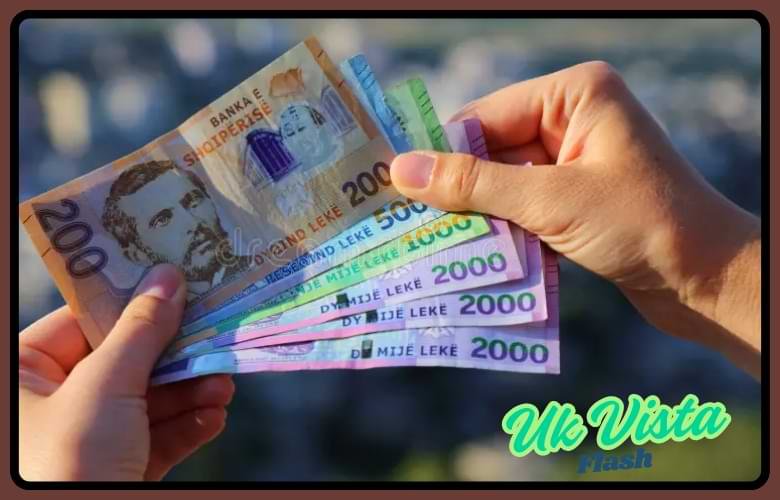
Albania has become one of the fastest-growing tourist destinations in Europe, thanks to its beautiful beaches, old towns and low prices. But before starting an exploration of this place, it is necessary to know how the monetary system functions in Albania and how to pay for services and products. Information on the local currency allows tourists to save their money, spend them wisely and to have comfortable travel experience. Everything related to currency, whether it is money exchange or using bank cards, influences the cost of traveling to some extent. Here you will learn everything about it.
Understanding the Official Currency of Albania
The official currency used throughout Albania is the Albanian lek, commonly identified by the international currency code ALL. It is the only legal tender accepted for most daily purchases, government services, and commercial transactions across the country.
Although Albania is located in Europe, it has not adopted the euro as its official national currency. Many visitors are surprised by this because neighboring countries often use the euro or maintain closer monetary ties with the Eurozone.
The Bank of Albania is responsible for issuing and regulating the national currency while maintaining monetary stability. It also oversees financial institutions and works to keep inflation under control through economic policies.
Modern banknotes feature advanced security elements that protect against counterfeiting while reflecting important aspects of Albanian history and culture. Coins remain widely used for smaller purchases and everyday transactions.
Understanding how the local currency works before arriving allows visitors to manage expenses more efficiently. It also reduces confusion when paying for transportation, accommodation, restaurants, and local shopping.
Banknotes, Coins, and Everyday Payments
The Albanian lek is available in several banknote and coin denominations that suit different spending needs. Higher-value notes are commonly used for hotels and larger purchases, while coins are practical for small transactions.
Visitors quickly notice that cash continues to play an important role throughout the country. While digital payments are increasing, many local businesses still prefer physical money, especially outside major cities.
Most restaurants, supermarkets, pharmacies, and shopping centers now accept international payment cards. However, carrying some cash provides flexibility when visiting traditional markets or rural communities.
Choosing the right payment method depends on your destination and the type of business you visit. Planning ahead helps avoid inconvenience, particularly during day trips outside urban areas.
Common payment options include:
- Cash using Albanian lek
- International debit cards
- Credit cards such as Visa and Mastercard
- Contactless payments in larger cities
- Mobile payment services at selected businesses
Currency Exchange and Best Ways to Get Local Money
Exchanging foreign money is simple because licensed exchange offices operate throughout Albania’s major cities and tourist destinations. Banks also provide currency exchange services with reliable rates and secure transactions.
Airport exchange counters offer convenience for newly arriving travelers, although their rates may be slightly less competitive than those found in city centers. Comparing rates before exchanging larger amounts can save money.
International ATMs are widely available and allow visitors to withdraw local currency directly from their bank accounts. Most machines support major global card networks and display instructions in multiple languages.
When withdrawing money, selecting the local currency instead of your home currency often provides a more favorable exchange rate. This choice may reduce additional conversion costs charged by foreign banks.
Planning daily expenses before exchanging money helps avoid carrying excessive cash. Responsible money management also improves security while traveling across different regions of Albania.
Daily Costs and Budget Planning
Albania continues to attract travelers because it offers excellent value compared with many European destinations. Accommodation, food, transportation, and entertainment remain relatively affordable throughout much of the country.
The capital city of Tirana generally has higher prices than smaller towns, although costs still remain competitive by European standards. Coastal destinations may also become more expensive during the busy summer season.
Travelers can comfortably adjust their spending according to personal preferences. Budget visitors often enjoy inexpensive guesthouses and local restaurants, while luxury travelers find premium hotels at reasonable prices.
Seasonal demand influences accommodation costs more than everyday purchases such as groceries or local transportation. Booking early during peak tourism periods usually results in better prices and greater accommodation choices.
Understanding local prices before arrival makes budgeting much easier. Careful financial planning allows visitors to experience more attractions without worrying about unexpected expenses during their journey.
Practical Money Tips for Visitors
Preparing your finances before traveling creates a more enjoyable experience from the moment you arrive. Informing your bank about international travel helps prevent unnecessary payment interruptions while using your cards abroad.
Keeping both cash and a payment card offers flexibility throughout your trip. Some smaller businesses may only accept cash, while hotels and shopping centers often encourage electronic payments.
Monitoring exchange rates before departure can help you receive better value when converting money. Trusted financial websites and official banking sources provide updated information every day.
It is also wise to keep emergency funds separate from your primary wallet. This simple habit provides additional security if your belongings are lost or misplaced during travel.
Learning a few basic Albanian phrases can also improve shopping experiences and communication with local vendors. Friendly interactions often make everyday transactions smoother and more enjoyable.
Why Understanding Local Currency Improves Your Travel Experience
Learning about albania currency before visiting helps travelers make smarter financial decisions throughout their journey. Familiarity with local money reduces uncertainty and creates greater confidence during everyday purchases.
Visitors who understand exchange rates and payment methods usually spend more efficiently during their stay. They also avoid unnecessary banking fees and unfavorable conversion practices that increase travel expenses.
The country’s growing tourism industry continues to modernize payment infrastructure while preserving traditional cash-based transactions in many communities. This combination offers convenience without losing local character.
Whether exploring historic castles, relaxing on beautiful beaches, or enjoying mountain villages, financial preparation contributes to a smoother travel experience. Small planning efforts often produce significant savings over the course of a trip.
Helpful travel reminders include:
- Exchange money through licensed providers.
- Carry small denominations for daily purchases.
- Keep one backup payment card available.
- Check ATM fees before withdrawing cash.
- Store emergency money separately.
- Review exchange rates regularly before converting funds.
(FAQs)
1. What is the official Albania currency used across the entire country today?
The official currency of Albania is the Albanian Lek (ALL). It is accepted nationwide for shopping, transportation, dining, accommodation, and most everyday transactions.
2. Can tourists use euros instead of local money throughout Albania?
Some hotels and tourist businesses accept euros, but most local shops and restaurants prefer Albanian lek. Paying in the local currency often provides better value.
3. Where can visitors exchange foreign money safely within Albania today?
Licensed exchange offices and commercial banks are the safest places to exchange foreign currency. Compare exchange rates before making larger transactions for better value.
4. Are credit cards accepted in restaurants, hotels, and shopping centers?
Yes, major credit and debit cards are widely accepted in larger cities and tourist areas. However, carrying cash is recommended for smaller businesses.
5. Is it better carrying cash or using payment cards everywhere?
Using both cash and cards is the best approach while traveling in Albania. Cash is especially useful in rural areas and local markets.
6. Do Albanian ATMs accept international debit and credit cards easily?
Yes, most ATMs accept international Visa and Mastercard cards without difficulty. Always check your bank’s international withdrawal fees before traveling.
Conclusion
Albania currency information is perhaps the easiest way to prepare for a fruitful trip to this unique country. The lek is still widely used and understanding the process of its management will make you save additional money as well as provide more comfort. As there are good exchange opportunities, a growing number of shops accept credit cards, and ATMs are now common in many regions, it became easy to manage finances. However, having some local currency on you will be the wisest decision in many cases, especially when traveling around small cities and villages.
Share.
