

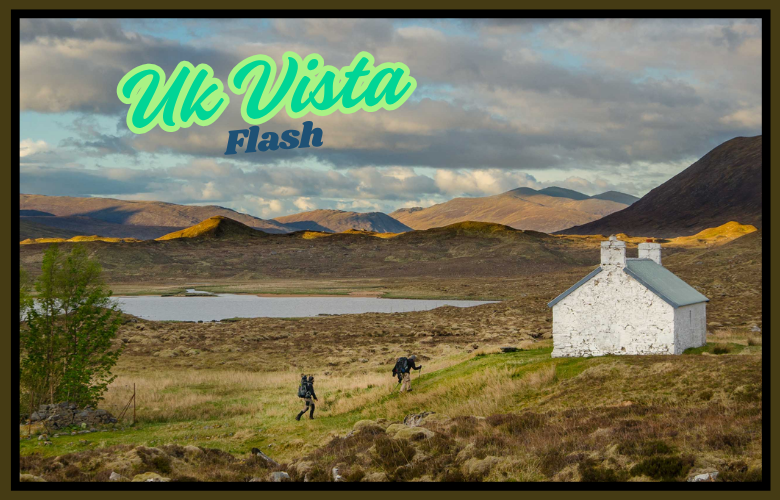
One of the hardest treks in the land of Scotland is the Cape Wrath Trail, which includes traversing through high mountains, glens, moors, woods, and coastline areas. This path goes from Fort William to Cape Wrath, the most western point of mainland United Kingdom, through places which feel very distant from the present day lifestyle. Contrary to many well-known trails of the UK, this one does not have any marked paths or set path. Therefore, navigational skills are required to travel it. The trek may be quite demanding for travelers because of the unpredictable weather, uneven terrain, river fords, lack of facilities, and loneliness; but for more experienced hikers, it promises incredible views and wilderness experience.
Understanding the Cape Wrath Trail
The cape wrath trail is a long-distance walking route that traditionally runs from Fort William in the western Highlands toward Cape Wrath in northwest Scotland. It is not an officially designated national trail, and there is no single compulsory route that every walker follows. Instead, hikers can choose between different variations according to weather, accommodation, transport, fitness, and personal preferences. Walkhighlands describes it as an unmarked route designed for very experienced long-distance backpackers.
This lack of fixed waymarking is an important part of the adventure. Some sections follow recognizable paths, tracks, roads, or established mountain routes, while others cross rough ground where navigation becomes much more demanding. Weather can quickly hide mountains and landmarks, making map and compass skills particularly valuable. Therefore, this journey requires considerably more preparation than a typical marked walking trail.
The route passes through some of the most dramatic scenery in the Scottish Highlands. Depending on the chosen variation, walkers may encounter Glenfinnan, Knoydart, Torridon, Assynt, Sandwood Bay, and the remote landscapes surrounding Cape Wrath. These regions combine rugged peaks, sea lochs, open moorland, waterfalls, forests, beaches, and isolated valleys. The constantly changing scenery is one of the strongest reasons experienced hikers choose this adventure.
Another attraction is the sense of independence created by the route. Instead of following signs from one famous landmark to another, walkers often need to make their own decisions about direction, distance, weather, and overnight stops. This creates a more adventurous experience than many conventional long-distance paths. At the same time, it means that poor planning can turn an enjoyable walking holiday into a serious challenge.
For anyone researching a Scottish Highlands hiking adventure, the route deserves careful consideration before departure. It rewards people who enjoy remote environments, self-sufficient travel, and unpredictable conditions. However, its reputation should not be mistaken for simple difficulty alone, because navigation and judgment are equally important. Understanding the character of the route is the first step toward preparing for it responsibly.
Route, Distance, and Main Landscapes
The overall distance varies because hikers can select different route variations rather than following one official alignment. Walkhighlands provides individual stage information and shows examples of substantial daily distances, including a 34.5-kilometre opening stage between Fort William and Glenfinnan. Other stages cover shorter or longer distances depending on terrain and route choices.
The southern sections introduce walkers to classic Highland scenery before the route becomes increasingly remote. Glenfinnan provides an important early landmark, while Knoydart brings rugged mountains, sea lochs, and a strong sense of isolation. Further north, the landscape develops into a mixture of dramatic peaks, broad glens, rocky tracks, and exposed moorland. Each area creates different walking conditions and navigation demands.
Important landscapes and places commonly associated with the journey include:
- Fort William and the western Highlands
- Glenfinnan and surrounding mountain country
- Knoydart and remote sea lochs
- Torridon and Wester Ross
- Assynt and its distinctive mountains
- Sandwood Bay and the northwest coast
- Cape Wrath and its surrounding cliffs
The northern sections provide some of the most memorable scenery of the entire journey. Assynt is particularly striking because isolated mountains rise dramatically from open landscapes, while the approach toward Sandwood Bay introduces an impressive coastal dimension. Eventually, walkers reach the remote country surrounding Cape Wrath, where the land meets the Atlantic in a spectacular combination of cliffs, sea, and open sky. The changing geography gives the journey a strong sense of progression.
Because there is no single official distance, hikers should avoid treating a quoted mileage as an absolute figure. The route selected, detours, resupply trips, accommodation choices, and weather-related alternatives can all affect the final distance. A sensible itinerary should therefore focus on realistic walking days rather than simply dividing an estimated total mileage by a fixed number of days. This approach allows greater flexibility when conditions become difficult.
Difficulty and Navigation Challenges
The route is regarded as a serious undertaking because it combines long distances with remote and sometimes pathless terrain. Walkers can encounter boggy ground, steep slopes, rough tracks, river crossings, and areas where the intended route is not immediately obvious. These challenges become more significant when rain, mist, wind, or low cloud reduces visibility. As a result, previous experience with mountain walking and multi-day backpacking is highly beneficial.
Navigation is one of the most important skills required for this journey. A digital map can be extremely useful, but relying entirely on a phone or GPS device is risky when batteries fail or electronic equipment becomes damaged. A detailed topographic map and compass provide an essential backup, while knowledge of grid references and terrain interpretation improves decision-making. Walkers should also understand how to identify safer alternatives when a planned crossing or route becomes unsuitable.
Physical fitness matters because the combination of distance and backpack weight can create cumulative fatigue. A day that looks manageable on a map may become much harder when the ground is wet, uneven, or steep. Furthermore, consecutive walking days leave less opportunity for complete recovery between demanding sections. Building endurance through progressively longer hikes before the journey can therefore make the experience safer and considerably more enjoyable.
River crossings require particular judgment because water levels can change rapidly after heavy rain. A crossing that appears straightforward during dry weather may become dangerous after prolonged rainfall, especially when there are no bridges nearby. Walkers should never feel pressured to cross simply because it appears on an itinerary. Waiting for conditions to improve or choosing a safer alternative is often the better decision.
Navigation and safety should ultimately take priority over maintaining a timetable. Remote walking requires the confidence to change plans when conditions deteriorate. A flexible schedule allows hikers to shorten a day, remain at an overnight location, or take an alternative route without creating unnecessary pressure. On a journey of this type, sound judgment is one of the most valuable pieces of equipment a walker can carry.
Best Time to Walk in Scotland
Seasonal conditions have a major influence on the experience, so choosing the right period requires more than checking average temperatures. Late spring, summer, and early autumn generally provide longer daylight hours and more practical conditions for extended walking. However, rain and strong winds remain possible throughout the year in the Highlands. Weather should therefore be monitored continuously rather than treated as a predictable seasonal feature.
Summer can be attractive because long daylight hours allow hikers more flexibility when planning daily distances. Nevertheless, warmer months may bring midges, changeable weather, and greater demand for accommodation in popular Highland areas. Early starts can help walkers make better use of daylight and avoid some busy periods. Even during summer, waterproof clothing and warm layers remain essential.
Late spring can provide beautiful conditions, particularly as vegetation begins to develop across the valleys and lower slopes. However, snow or winter conditions can sometimes remain on higher ground, depending on the year and elevation. Early autumn can offer cooler temperatures and quieter landscapes, although daylight becomes shorter as the season progresses. Both periods require hikers to remain alert to rapidly changing mountain conditions.
Winter presents a very different challenge and should not be treated as simply a colder version of the summer route. Short daylight hours, snow, ice, strong winds, and difficult navigation can significantly increase the technical demands of remote sections. Winter travelers require advanced mountain skills, appropriate equipment, and a clear understanding of changing conditions. For most backpackers, a more favorable season provides a safer and more practical introduction to the route.
There is no universally perfect month because weather varies considerably from one year to another. Instead, the best approach is to select a suitable seasonal window and retain flexibility within it. Checking detailed mountain forecasts shortly before departure and during the journey is essential. A willingness to postpone a difficult section can make the difference between a memorable adventure and an avoidable emergency.
Camping, Accommodation, and Resupply
Accommodation planning is an important part of preparing for a remote Scottish walking route. Depending on the selected variation, hikers may use campsites, hostels, inns, bothies, or other forms of accommodation. Some sections offer limited services, while others require greater self-sufficiency. Because availability can change seasonally, walkers should research overnight options well before starting.
Wild camping can provide valuable flexibility, especially where settlements and formal accommodation are widely separated. Scotland provides broad responsible access rights over most land and inland water, but those rights come with responsibilities. NatureScot explains that outdoor access should be exercised responsibly and that the Scottish Outdoor Access Code provides practical guidance for visitors.
Food planning also requires careful attention because there are no continuous shops along the entire route. Walkers need to identify reliable resupply opportunities before setting out and calculate how much food is required for remote stages. Carrying too little can create serious problems, while carrying excessive supplies increases pack weight and fatigue. A balanced resupply strategy can make long-distance backpacking significantly more manageable.
Water is usually an important consideration in the Highlands, but natural sources should not automatically be assumed to be safe. Agricultural activity, animals, environmental conditions, and contamination can affect water quality. A suitable filtration or treatment method provides an additional layer of protection when collecting water outdoors. Hikers should also maintain enough capacity to carry water when reliable sources become temporarily unavailable.
Responsible camping is particularly important in fragile Highland environments. Visitors should avoid damaging vegetation, leave campsites clean, manage human waste appropriately, and respect nearby homes, land management, and wildlife. NatureScot emphasizes responsible access and environmental care as central principles of outdoor recreation in Scotland.
Wildlife, Weather, and Responsible Hiking
The landscapes along the route support a wide range of Highland wildlife, including deer, birds of prey, mountain species, and coastal wildlife. Quiet sections provide opportunities to observe animals without the crowds found at some major tourist attractions. However, wildlife should always be watched from an appropriate distance. Avoiding disturbance is especially important during breeding and nesting periods.
Weather is arguably the most unpredictable environmental factor on the journey. Conditions can change quickly, with rain, strong winds, low cloud, and sudden drops in temperature affecting exposed areas. Even experienced hikers should check updated forecasts and remain prepared for conditions that differ from those expected. A waterproof outer layer, insulation, and reliable navigation equipment should remain accessible throughout the day.
Responsible access protects both the environment and the quality of the walking experience. Scotland’s access framework allows people to enjoy most land and inland water when they act responsibly, while certain areas and circumstances have specific restrictions. NatureScot advises visitors to respect other people, care for the environment, and take responsibility for their actions.
Wild camping should follow the principles of the Scottish Outdoor Access Code rather than simply focusing on legal access. Campers should choose locations carefully, minimize their impact, avoid leaving waste behind, and respect local land-management activities. Fires require particular caution because dry conditions can increase wildfire risks and sensitive vegetation can be damaged easily. Responsible behavior helps preserve the remote character that makes the journey so appealing.
Finally, hikers should recognize that remote landscapes demand personal responsibility. Emergency assistance may take time to reach isolated areas, and mobile coverage can be inconsistent. Sharing an itinerary with someone at home, carrying appropriate emergency equipment, and knowing when to turn back are sensible precautions. Good outdoor ethics and sound safety decisions allow visitors to enjoy the Highlands while protecting them for future walkers.
Preparing for a Successful Journey
Good preparation begins long before reaching Fort William. Hikers should study the intended route, understand possible variations, review accommodation and resupply opportunities, and assess their own experience honestly. Training should include long walks with a loaded backpack so that footwear, equipment, and physical endurance can be tested before departure. This preparation also reveals which items are unnecessary and which pieces of equipment deserve greater attention.
Navigation practice should form part of the preparation rather than being learned during the trip. Walkers can build confidence by using a paper map and compass on shorter Highland routes before attempting remote terrain. Digital navigation should complement these skills rather than replace them. Understanding contours, ridgelines, valleys, tracks, and escape routes can make decision-making much easier when visibility deteriorates.
Equipment should be selected according to the environment rather than simply weight. Waterproof clothing, warm insulation, reliable footwear, navigation tools, shelter, sleeping equipment, food storage, lighting, and emergency supplies all have important roles. Lightweight equipment is useful, but saving a few hundred grams is rarely worthwhile if it compromises warmth, durability, or safety. Every item carried should have a clear purpose.
The route should also be planned with realistic daily targets. Strong walkers may cover considerable distances, but difficult terrain and poor weather can reduce progress dramatically. Building spare time into the itinerary allows hikers to respond to unexpected delays without rushing through dangerous sections. This flexible approach also makes it easier to enjoy scenic areas rather than treating the entire journey as a race against the clock.
Before departure, review the latest access information and weather forecasts, and check whether local conditions have affected any intended sections. Scotland’s outdoor access framework is extensive, but responsible access remains essential and specific local guidance can apply. A successful journey depends on combining preparation, navigation ability, physical fitness, environmental awareness, and sensible decision-making.
Why This Highland Adventure Is Worth It
The greatest appeal of the cape wrath trail is the opportunity to experience Scotland at walking pace. Instead of viewing the Highlands from roads or short sightseeing stops, hikers spend days moving through valleys, mountains, moorland, and coastal landscapes. This creates a deeper connection with the terrain and allows weather, light, wildlife, and changing scenery to become part of the journey. For experienced backpackers, that sense of immersion can be more rewarding than reaching any individual landmark.
The route also offers a rare sense of solitude in a popular country. Long periods without urban noise, heavy traffic, or continuous development create an atmosphere that feels increasingly unusual. Remote sea lochs and open moorland can make walkers feel far removed from everyday routines. That isolation is challenging, but it is also one of the defining qualities that makes this adventure memorable.
Another major reward is the variety of landscapes encountered along the way. Mountains gradually give way to glens, forests, open moorland, lochs, beaches, and dramatic Atlantic coastline. Each region has a different visual character, so the journey rarely feels repetitive. The changing environment also keeps the walking experience interesting even during long stretches between settlements.
For many hikers, reaching Cape Wrath represents more than simply completing a long walk. It marks the end of a demanding journey that required preparation, endurance, navigation, adaptability, and patience. The final coastal landscapes provide a dramatic setting for reflecting on the miles already covered. The achievement becomes especially meaningful because the route cannot simply be followed by signs from beginning to end.
Anyone considering this adventure should approach it with respect rather than viewing it as an ordinary holiday walk. The challenges are real, but careful preparation can make them manageable for experienced hikers. For those who enjoy wilderness, mountain landscapes, self-supported travel, and meaningful physical challenges, this Scottish route can become an unforgettable outdoor experience. Its combination of freedom, remoteness, scenery, and adventure explains why it continues to attract serious long-distance walkers.
Planning Your Cape Wrath Trail Adventure
Planning this long-distance Highland journey starts with understanding the route and its demanding conditions. Walkers should research route variations, study maps, check accommodation options, and identify places where food and supplies are available. Because the route is not officially waymarked, navigation should be treated as a core part of preparation. A realistic itinerary should also include extra time for difficult weather or unexpected delays.
Before starting the journey, hikers should make sure they have the essential preparation and equipment needed for remote walking:
- Detailed maps, compass, and reliable navigation device
- Waterproof clothing and warm insulating layers
- Suitable hiking boots with good grip
- Tent, sleeping bag, and camping equipment
- Sufficient food and water-treatment equipment
- First-aid supplies and emergency communication equipment
- Up-to-date weather information and route details
Weather preparation is equally important because conditions can change quickly across the Scottish Highlands. Rain, strong winds, mist, and low temperatures can affect visibility and walking speed, particularly in exposed areas. Checking mountain forecasts before setting out and during the journey helps hikers make safer decisions. A flexible schedule also allows walkers to delay or shorten a stage when conditions become unsuitable.
Physical preparation can make a major difference during a multi-day backpacking adventure. Training with a loaded backpack helps build endurance while also allowing walkers to test their boots, clothing, shelter, and other equipment. Longer practice hikes can reveal weaknesses before the actual journey begins. It is also sensible to develop navigation skills on less remote routes before attempting challenging Highland terrain.
Responsible travel should remain an important part of the experience from beginning to end. Hikers should follow Scottish access guidance, protect fragile landscapes, respect wildlife, and leave camping areas clean. Rivers, bogs, steep ground, and remote sections should be approached carefully rather than rushed. With thoughtful preparation, realistic expectations, and respect for the landscape, this demanding Scottish walking adventure can become a memorable and rewarding experience.
(FAQs)
How long does the trail take?
Most hikers allow around two to three weeks for the journey.
The exact time depends on route choices, fitness, weather, and rest days.
Is the route suitable for beginners?
The route is better suited to experienced backpackers and mountain walkers.
Remote terrain, navigation challenges, and changing weather can make sections demanding.
Where does the trail begin?
The traditional starting point is Fort William in the Scottish Highlands.
From there, walkers travel north through remote landscapes toward Cape Wrath.
Is camping allowed along routes?
Wild camping can be part of the journey when done responsibly.
Hikers should follow Scotland’s outdoor access guidance and leave no trace.
What makes this trail challenging?
The cape wrath trail includes rough terrain, river crossings, boggy ground, and limited waymarking.
Strong navigation skills and preparation are important for handling changing conditions.
When is the best season?
Late spring through early autumn generally provides longer daylight and practical conditions.
However, Scottish weather remains unpredictable, so forecasts should always be monitored.
What equipment should hikers carry?
Essential equipment includes waterproof clothing, navigation tools, suitable footwear, shelter, food, and emergency supplies.
A reliable map and compass are particularly important on remote sections.
Conclusion
The Cape Wrath Trail offers an exhilarating way to explore the stunning wilderness of northwestern Scotland. The rugged hills, tranquil glens, wild moors, lochs and coastal paths offer a wonderful experience for anyone who decides to walk along this unique trail. Nevertheless, given the difficult terrain and remoteness of the route, one needs proper planning, navigational skills, appropriate equipment, and physical fitness before starting off. Moreover, considering the unpredictable weather of Scotland, flexibility is very important throughout the entire trekking journey. Finally, one needs to take into account the advice on Scotland’s outdoor access.
Share.
