

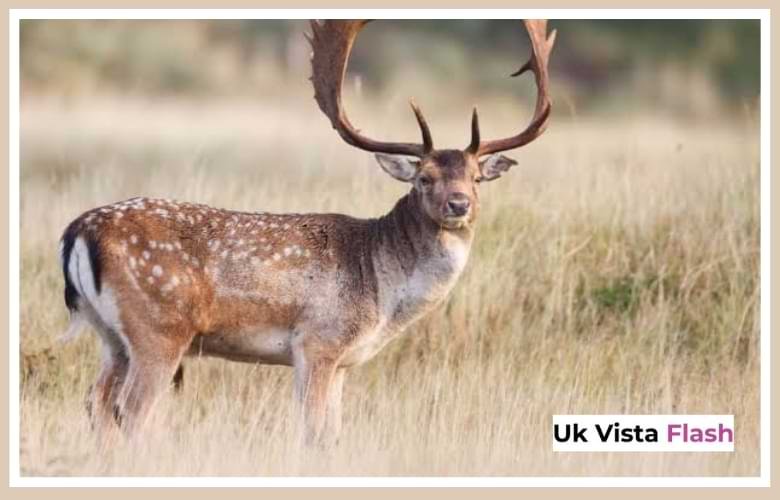
Fallow deer are interesting wildlife animals, characterized by beautiful appearance, spotted skin, and amazing horns. Being widespread in different parts of the planet, these highly adaptive mammals manage to thrive in woods, steppes, and other landscapes. The uniqueness of their physical traits, social life, and changes depending on seasons makes them one of the most interesting types of deer to learn more about. From the habitat and nutrition of these animals to their reproduction and ecological value, studying them is quite an instructive experience that gives a lot of knowledge about the variety of wildlife.
Physical Characteristics and Unique Appearance
One of the most noticeable features of this deer species is the large, flattened antlers found on adult males. These broad antlers grow and shed every year, mainly helping males compete during the breeding season. Their body shape, strong legs, and excellent movement abilities allow them to travel efficiently through different environments.
Their coat color can vary depending on genetics, age, and seasonal changes. Many individuals have a reddish-brown coat with white spots during summer, while their winter coat is usually darker and thicker for protection against colder conditions.
- Common coat colors include brown, black, white, and spotted patterns.
- Male deer develop larger antlers than females.
- Young deer are called fawns and have lighter markings.
The combination of their elegant body structure and changing appearance makes them easy to identify among other deer species. Their physical adaptations also help them survive in areas with different weather conditions and food availability.
Habitat and Worldwide Distribution
Fallow deer have successfully adapted to a wide range of environments, including forests, agricultural landscapes, grasslands, and large estates. Originally associated with regions around the Mediterranean and parts of Asia, they have now established populations in several countries worldwide.
These deer prefer areas that provide a mixture of open spaces for feeding and wooded areas for shelter. Forest edges, parklands, and mixed landscapes are especially suitable because they offer both protection and a variety of food sources.
- Found across many parts of Europe.
- Introduced populations exist in countries such as Australia and New Zealand.
- Prefer habitats with access to vegetation and safe resting areas.
Their ability to adjust to different surroundings has contributed to their successful population growth. However, wildlife managers sometimes monitor their numbers to maintain a healthy balance between deer populations and natural habitats.
Diet and Feeding Habits
The feeding habits of fallow deer are mainly based on plants, making them an important part of their ecosystem. They consume a variety of vegetation depending on the season, including grasses, leaves, shoots, fruits, and naturally available plant materials.
During spring and summer, they often feed on fresh grasses and soft vegetation. In colder months, they rely more on tree leaves, bark, seeds, and other available food sources that provide energy.
- Grass and wild plants
- Leaves and young tree shoots
- Fruits, berries, and nuts
- Agricultural crops when available
Their flexible diet helps them survive in changing environments where food sources may not remain the same throughout the year. This adaptability is one reason the species has been able to thrive in different regions.
Social Behavior and Breeding Cycle
These deer are highly social animals that usually live in groups. Females often stay together with their young, while males may form separate groups outside the breeding period. Their social structure changes significantly during autumn when the breeding season begins.
During the rut, males compete for access to females by using vocal calls, displays, and physical contests. Stronger males usually have greater opportunities to reproduce, making this period one of the most interesting events in their natural life cycle.
- Breeding season usually occurs during autumn.
- Pregnancy lasts around seven months.
- Females normally give birth to one young fawn.
Communication plays an important role in their daily lives. They use sounds, body movements, and scent marking to interact with other members of their group and respond to changes in their environment.
Lifespan Conservation and Important Facts
The average lifespan of these animals depends on habitat quality, food availability, and environmental conditions. In suitable wild environments, they can often live between 10 and 15 years, while protected populations may survive longer.
Although the species is not considered globally threatened, responsible wildlife management remains important. Large populations in certain regions can affect plant growth and agricultural areas, so conservation programs focus on maintaining a balanced relationship between animals and their surroundings.
- Average wild lifespan: 10–15 years
- Classification: Mammal and herbivore
- Main threats: Habitat changes, road accidents, and population imbalance
Fallow deer continue to attract interest from researchers, photographers, and wildlife enthusiasts because of their unique appearance and fascinating behavior. Their presence in natural landscapes highlights the importance of protecting habitats and maintaining biodiversity.
(FAQs)
1: What is a fallow deer?
A fallow deer is a medium-sized deer species recognized for its spotted coat, graceful appearance, and unique flattened antlers found in adult males. It is commonly seen in forests, grasslands, and managed wildlife areas.
2: Where do fallow deer naturally live?
They originally came from regions of Europe and western Asia but have spread to different parts of the world. Today, they can be found in various habitats, including woodlands, parks, and open landscapes.
3: What do fallow deer eat?
Their diet mainly includes grasses, leaves, shoots, fruits, seeds, and other plant-based foods. They adjust their feeding habits according to seasonal changes and available resources.
4: How can male and female deer be identified?
Male deer, known as bucks, usually have large palmate antlers, while females, called does, are smaller and typically do not develop antlers.
5: How long do these deer live?
They can usually survive for around 10 to 15 years in the wild. Their lifespan depends on habitat quality, food availability, and environmental conditions.
Conclusion
The fallow deer are a perfect example of the beauty and flexibility of nature due to their specific look, varied nutrition, and complicated behavior. Their capacity to inhabit diverse habitats is what made them quite popular among both wildlife watchers and scientists. The study of their habitat, diet, breeding cycle, and the requirements for conservation will ensure that healthy populations of fallow deer will be preserved in the future. As for now, these outstanding creatures are contributing to biodiversity through interaction with the environment around them.
