

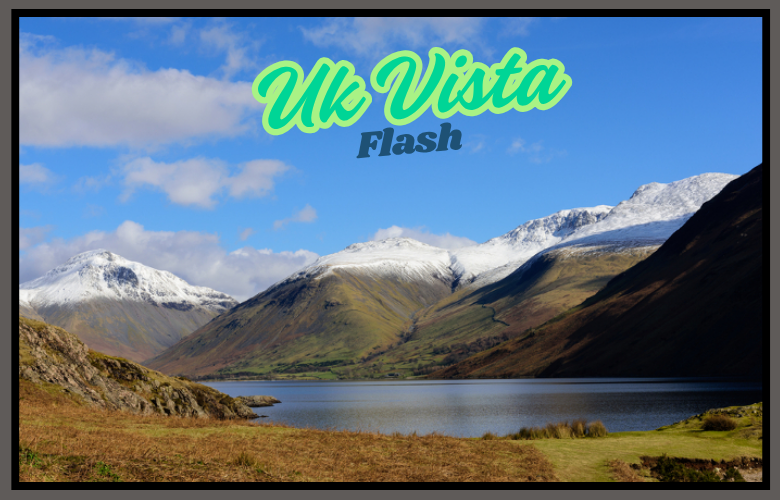
The Lake District of England is an outstanding example of the magnificence of mountain landscapes that offer adventurous activities for people who love nature. Mountains of the district are formed by rocky fells that tower over lakes, valleys, and trails through picturesque towns. The area features numerous mountain peaks such as England’s tallest peak called Scafell Pike or mountainous ridges like Helvellyn. In addition, each of these mountains has some unique combination of natural features that contribute to their uniqueness. The exploration of the mountain ranges may include challenging hiking and easy landscape strolls.
Discovering the Lake District’s Mountain Landscape
The Lake District National Park covers about 2,362 square kilometres across Cumbria in northwest England. Its landscape was shaped by glaciers, rivers, weather, and geological processes over thousands of years. Today, steep fells surround long valleys and lakes, creating the distinctive scenery that defines the region. The combination of mountains, woodland, farmland, water, and settlements also gives the area an unusually rich cultural landscape. In 2017, the English Lake District became a UNESCO World Heritage Site because of its outstanding natural and cultural significance.
The mountains are commonly called fells, a traditional northern English term for upland terrain. Some rise dramatically from valley floors, while others form broad grassy slopes with expansive views. Rocky summits, narrow ridges, tarns, waterfalls, and glacial valleys create considerable variety between different walking areas. As a result, visitors can experience very different landscapes within a relatively small geographical region. This variety is one reason the Lake District remains popular with walkers, photographers, families, and nature lovers.
The area also has a strong literary and artistic heritage connected to its scenery. Writers and poets such as William Wordsworth helped make the region internationally known through descriptions of its mountains, lakes, villages, and rural life. Artists, painters, and later photographers have also been inspired by the changing light and dramatic terrain. Meanwhile, traditional farming has shaped many valleys through grazing, stone walls, footpaths, and historic settlements. Consequently, the landscape is not simply wild countryside but a place where people and nature have influenced each other for centuries.
For visitors, the mountains provide opportunities ranging from short scenic walks to demanding full-day expeditions. Lower-level paths around lakes can offer impressive views without requiring a summit climb. More experienced walkers can tackle steep ascents, long ridges, and remote mountain routes. However, apparent accessibility should not be confused with low risk, because weather conditions can change quickly at higher elevations. Careful route planning therefore remains important regardless of the season or experience level.
The best approach is to choose a mountain experience that matches your fitness, navigation ability, equipment, and confidence. Beginners can start with well-established paths and lower fells before attempting higher summits. Experienced hikers may prefer challenging circuits involving significant elevation gain and exposed terrain. Families can enjoy valleys, viewpoints, woodland trails, and lakeside routes without climbing the highest peaks. By selecting appropriate terrain, visitors can appreciate the Lake District without taking unnecessary risks.
England’s Highest Peaks and Famous Fells
The lake district mountains include England’s highest summit and many other famous peaks that attract walkers from across the country. Scafell Pike reaches 978 metres above sea level and is the highest point in England. Nearby Scafell, Helvellyn, Skiddaw, Great End, and other major summits create an impressive collection of high ground. Each peak has different terrain, approaches, viewpoints, and walking challenges. Therefore, choosing a mountain should depend on more than simply its elevation.
Several important facts help explain the scale and character of the region:
- Scafell Pike is England’s highest mountain at 978 metres.
- Scafell reaches approximately 964 metres above sea level.
- Helvellyn rises to about 950 metres.
- Skiddaw reaches approximately 931 metres.
- The Lake District National Park covers around 2,362 square kilometres.
- Alfred Wainwright described 214 Lake District fells in his influential walking guides.
Scafell Pike is particularly significant because it represents the highest point in England. Its summit area is rugged, rocky, and exposed, while surrounding valleys create dramatic approaches from several directions. The mountain can appear relatively modest compared with peaks in the Alps or Scottish Highlands, but altitude alone does not determine walking difficulty. Steep ground, uneven surfaces, poor visibility, and rapidly changing conditions can make the ascent demanding.
Helvellyn provides a different experience, particularly for walkers interested in ridge routes. Striding Edge is one of the region’s most famous features, offering an exposed route with dramatic drops and extensive views. Swirral Edge provides another high-level ridge approach, while alternative paths can offer less exposed ways toward the summit. Conditions on these ridges can change quickly, especially in strong winds, rain, ice, or low cloud. Walkers should therefore assess their skills and current conditions before choosing an exposed route.
Skiddaw offers another major summit experience and stands above the town of Keswick. Its broad mountain profile contrasts with the sharper ridges found elsewhere in the central Lake District. Great Gable, Bowfell, Great End, and the surrounding fells add further options for experienced walkers seeking longer mountain days. Together, these peaks demonstrate the remarkable diversity of the region’s high-level terrain. Exploring different summits can also reveal how dramatically the landscape changes from one valley to another.
Planning a Safe and Enjoyable Mountain Walk
Good preparation can make a major difference when exploring the Lake District’s high ground. Mountain weather can differ substantially from conditions in nearby towns, with stronger winds, lower temperatures, cloud, rain, and poor visibility at elevation. Before leaving, walkers should check a reliable mountain forecast and understand the expected conditions along the route. Route length, elevation gain, daylight hours, and navigation requirements should also be considered. A realistic plan allows enough time for breaks, slower progress, and unexpected changes.
Navigation is particularly important because mist can make familiar landscapes difficult to recognize. A detailed map, compass, and reliable navigation device can provide valuable support when paths become unclear. Mobile phones are useful, but walkers should not depend entirely on battery-powered technology in remote areas. Downloading maps in advance and carrying a backup power source can provide additional security. Most importantly, hikers should understand how to use their navigation equipment before beginning a difficult route.
Clothing should also reflect the conditions rather than the appearance of the valley when you start walking. Waterproof outer layers, warm clothing, suitable walking trousers, and sturdy footwear can help protect against rapidly changing weather. Extra layers are especially useful during colder months or when spending several hours above the tree line. Food and water should be sufficient for the planned journey, with additional supplies available if the walk takes longer than expected. These basic preparations can significantly improve comfort and safety.
Route selection should match both ability and conditions. A route that feels manageable during calm summer weather can become much harder during winter or poor visibility. Exposed ridges require particular care because strong winds, ice, or wet rock can increase the consequences of a mistake. Beginners should avoid choosing demanding routes simply because they are popular on social media. Instead, build experience gradually and seek qualified mountain guidance when necessary.
Responsible walking also protects the landscape for future visitors. Staying on appropriate paths can reduce erosion, while taking litter home prevents damage to wildlife and habitats. Gates should be closed when required, and livestock should be treated carefully, particularly during sensitive farming periods. Parking should also be planned responsibly because narrow roads and busy villages can experience significant pressure during peak periods. Respecting local communities and the environment makes mountain tourism more sustainable.
Lakes, Valleys and Scenic Mountain Views
One of the Lake District’s greatest attractions is the close relationship between high mountains and beautiful lakes. Windermere, Ullswater, Derwentwater, Coniston Water, and Wastwater are among the best-known bodies of water in the region. Their surrounding fells create reflections, viewpoints, and changing perspectives that are particularly attractive to photographers. Even visitors who do not want a strenuous hike can enjoy spectacular mountain scenery from lakeshores and valley roads. This accessibility makes the landscape suitable for a wide range of travelers.
Ullswater is surrounded by impressive hills and provides numerous opportunities for combining walking with other outdoor activities. The lake’s long, narrow shape creates constantly changing views as visitors move along its shores or higher paths. Nearby Helvellyn and surrounding ridges provide a dramatic backdrop for experienced walkers. Boat journeys can also offer a different perspective on the mountains without requiring a long climb. As a result, the area works particularly well for visitors who want variety during a single trip.
Derwentwater near Keswick is another popular setting for mountain views and outdoor recreation. The lake is surrounded by wooded slopes, rocky fells, islands, and dramatic peaks that create a classic Lake District scene. Walking around parts of the shoreline can provide beautiful views without the physical demands of a high summit route. Visitors can also use Keswick as a convenient base for exploring nearby mountains and valleys. This combination of accessibility and scenery makes the northern Lake District especially appealing.
Wastwater has a more rugged atmosphere and lies beneath some of the region’s most dramatic mountain terrain. The surrounding landscape includes steep slopes, rocky peaks, and open countryside, creating a powerful sense of remoteness. Nearby Wasdale is also closely associated with Scafell Pike and other major summits. For photographers, early morning and evening light can produce particularly striking contrasts between mountains and water. However, visitors should still prioritize safe access and weather awareness when exploring the area.
Great Langdale provides another memorable landscape, combining steep mountain walls, valley scenery, streams, farmland, and historic settlements. The valley gives access to several notable walking routes and provides views of some of the region’s most recognizable peaks. It also demonstrates how traditional agriculture remains closely connected with the surrounding uplands. Visitors can experience the landscape at different levels, from gentle valley walks to demanding mountain circuits. This flexibility makes the Lake District suitable for both relaxed sightseeing and serious outdoor adventure.
Wildlife, Heritage and the Culture of the Fells
The Lake District’s mountain environment supports a range of habitats, from woodlands and wetlands to open fell, rocky ground, and upland grassland. These habitats provide space for birds, mammals, insects, plants, and other wildlife adapted to challenging conditions. Seasonal changes can transform the appearance of the landscape, from spring vegetation to autumn colours and winter snow. Visitors should observe wildlife from a respectful distance and avoid disturbing animals or nesting areas. Protecting these habitats is an important part of maintaining the region’s natural character.
Traditional farming has also played a major role in shaping the modern landscape. Herdwick sheep are strongly associated with the Lake District, particularly its upland farming communities. Stone walls, barns, grazing fields, tracks, and settlements reflect generations of agricultural activity. These features contribute to the visual character of many valleys and help explain why the area has cultural as well as natural importance. Understanding this connection can make a mountain walk more meaningful because the scenery has a long human history.
The region’s literary heritage adds another dimension to its identity. William Wordsworth is perhaps the most famous writer associated with the landscape, particularly around Grasmere and the central Lake District. His work helped establish a cultural appreciation of mountains, lakes, valleys, and rural communities. Other writers, artists, and outdoor figures have also contributed to the region’s reputation. Today, visitors continue to encounter this heritage through museums, historic houses, literary locations, and landscape traditions.
Alfred Wainwright had a particularly important influence on modern fell walking. His detailed guidebooks documented hundreds of summits and encouraged generations of walkers to explore the Lake District on foot. His distinctive illustrations and descriptions remain closely associated with the culture of fell walking. The famous Wainwrights continue to provide a personal challenge for enthusiasts who want to visit every summit included in his guides. However, completing the list is not necessary to appreciate the landscape.
The cultural landscape is one reason the area has achieved international recognition. UNESCO’s World Heritage designation highlights the interaction between natural scenery, farming, tourism, conservation, and cultural traditions. This perspective encourages visitors to see the mountains as part of a living landscape rather than isolated wilderness. Local communities, farmers, conservation organizations, and visitors all influence the future of the region. Responsible tourism can therefore help preserve both the scenery and the traditions that make the area distinctive.
Choosing the Best Time and Base for Your Visit
Each season brings a different experience to the Lake District, so the best time depends on your plans and walking ability. Summer generally provides longer daylight hours and more opportunities for extended mountain routes. However, popular areas can become busy, especially during weekends and school holidays. Spring and autumn can offer attractive scenery with fewer visitors, although weather and daylight require more careful planning. Winter creates dramatic conditions but can introduce snow, ice, shorter days, and more serious mountain hazards.
Your choice of base can also shape the experience. Keswick provides convenient access to northern mountains and is well placed for exploring areas around Derwentwater and Skiddaw. Ambleside offers access to central landscapes and several popular walking areas, while Windermere provides a wider range of visitor facilities. Wasdale is particularly useful for people focusing on Scafell Pike and the western high fells. Choosing accommodation close to your preferred walking area can reduce travel time and allow more flexibility.
Transport planning is important because some mountain valleys have narrow roads and limited parking. Public transport, local buses, walking routes, and boat services can sometimes provide alternatives to driving between popular destinations. Arriving early can help during busy periods, although parking restrictions and local rules should always be followed. Visitors should also consider how long the journey home will take after a demanding mountain walk. Fatigue can affect driving ability, so a nearby base may be a safer choice after a long day outdoors.
Mountain walking should remain enjoyable rather than becoming a race to complete a particular route. Allowing time for photographs, food, navigation, and changing conditions makes the experience less stressful. If the weather deteriorates, turning back is a sensible decision rather than a failure. Similarly, choosing a shorter route can be the better option when energy levels or conditions are not suitable. Flexibility is one of the most useful skills for anyone exploring upland environments.
The region rewards repeat visits because its scenery changes dramatically with light, season, weather, and viewpoint. A mountain that looks familiar from a valley can appear completely different from a nearby ridge or lakeshore. Exploring less crowded areas can also provide a quieter experience and spread visitor pressure across the national park. Ultimately, the best trip combines realistic planning with enough freedom to appreciate the landscape. The goal is not simply to reach a summit but to enjoy the entire journey through one of England’s most remarkable environments.
Making the Most of Your Mountain Adventure
The lake district mountains offer an extraordinary combination of challenging summits, peaceful lakes, historic valleys, and cultural landscapes. From Scafell Pike and Helvellyn to quieter fells and lower-level viewpoints, there is something for different interests and abilities. The most rewarding experiences usually come from matching your chosen route with your preparation, fitness, navigation skills, and the day’s conditions. At the same time, respecting wildlife, farming communities, paths, and local residents helps protect the landscape. Thoughtful planning allows visitors to enjoy the mountains while contributing to their long-term preservation.
Before setting out, consider these practical priorities:
- Check the mountain weather and daylight hours.
- Choose a route that matches your experience.
- Carry suitable clothing, footwear, food, and water.
- Take reliable navigation equipment and know how to use it.
- Allow extra time for changing conditions and slower progress.
- Respect livestock, wildlife, paths, and local communities.
- Follow countryside access guidance and leave no litter.
- Have a backup plan if the original route becomes unsuitable.
The most important lesson is that mountain enjoyment depends on preparation rather than speed or ambition. Even experienced walkers can encounter difficult conditions when wind, rain, snow, or cloud arrives unexpectedly. A flexible attitude allows you to change plans without turning an enjoyable day into a dangerous situation. Lower-level walks can still provide exceptional scenery when higher routes are unsuitable. In this way, every visit can be rewarding regardless of whether you reach a major summit.
Photography is another excellent way to appreciate the landscape, especially around lakes, ridges, waterfalls, and open viewpoints. Early mornings can provide softer light and quieter paths, while changing weather can create dramatic atmospheric conditions. However, photography should never encourage visitors to leave safe paths or approach dangerous edges for a better picture. The best photographs often come from patience, observation, and careful positioning rather than risky choices. Taking time to notice small details can reveal as much beauty as looking toward a famous summit.
For those returning to the region, exploring a different valley can create an entirely new experience. A visitor who first discovers the area around Windermere might later explore Borrowdale, Langdale, Wasdale, Ullswater, or the western fells. Each area has its own combination of geology, vegetation, farming history, waterways, and mountain shapes. This variety makes the national park rewarding for repeat visitors and long-term walking enthusiasts. Over time, the Lake District becomes less about ticking off famous peaks and more about understanding its landscapes.
Ultimately, the finest mountain experiences combine adventure with awareness. The high fells can challenge the body, while the valleys, lakes, wildlife, and cultural heritage provide opportunities for slower exploration. Visitors who prepare carefully can enjoy spectacular scenery without placing unnecessary pressure on themselves or the environment. Whether you are planning your first fell walk or returning for another demanding route, the region offers endless opportunities for discovery. Its enduring appeal comes from the fact that every path, summit, and viewpoint reveals another side of England’s extraordinary upland landscape.
(FAQs)
What Is The Highest Mountain?
Scafell Pike is England’s highest mountain, reaching 978 metres above sea level.
It is located in the western Lake District and attracts experienced walkers.
How High Is Scafell Pike?
Scafell Pike stands at 978 metres above sea level.
Its rocky terrain and changing weather can make the ascent challenging.
Which Mountain Has Striding Edge?
Helvellyn is famous for its Striding Edge ridge.
The route is exposed in places and requires careful walking, especially during poor weather.
Are Lake District Mountains Hard?
The difficulty varies considerably between different routes and summits.
Some walks are suitable for beginners, while higher or exposed routes require experience.
When Should You Visit?
Spring, summer, and autumn offer different walking conditions and scenery.
Winter can bring snow, ice, shorter daylight, and more demanding mountain conditions.
What Equipment Should Walkers Carry?
Suitable footwear, waterproof clothing, navigation equipment, food, and water are important.
Walkers should also check weather forecasts before starting a mountain route.
How Many Fells Are There?
The Lake District contains hundreds of named fells and summits.
Alfred Wainwright famously documented 214 individual fells in his walking guides.
Conclusion
One of the best places to explore is the Lake District with its breathtaking peaks, tranquil lakes, interesting valleys and countryside. No matter whether it comes to Scafell Pike and Helvellyn, or other less popular fells and trails, everything in this area can be enjoyed not only by professional trekkers, but also by amateurs. Proper planning, appropriate gear and knowledge about changes in weather conditions on the mountains can make each of your adventures more pleasant and safe. Moreover, apart from trekking, you will have many things to discover here, including local wildlife, agriculture, literature background and landscapes formed during hundreds of years.
Share.
