

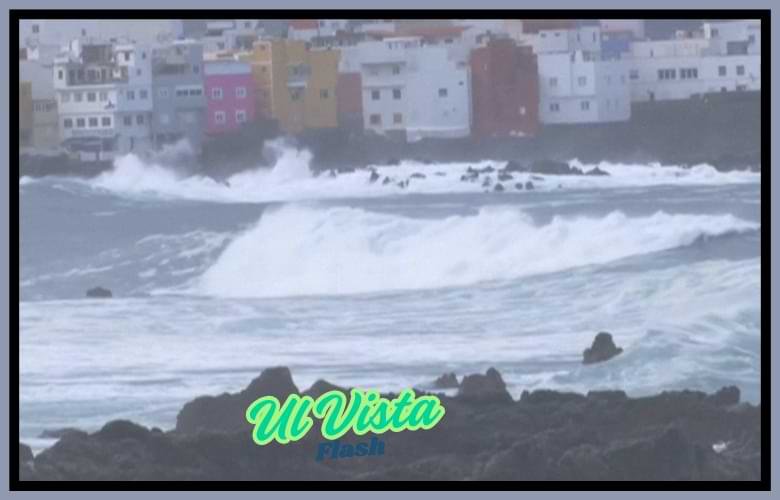
Each year, many tourists flock to Tenerife because of its mild climate, its fascinating volcanic landscape, and its stunning coastline in the Atlantic Ocean. Although Tenerife’s climate is usually pleasant almost all year round, there might be certain changes in sea conditions which could lead to some dangerous situations for the coasts. Sometimes there are powerful ocean swells, waves, and coastal flooding which may affect beaches, ports, and promenades, especially in the winter period. It is important to know how such events take place to be able to take necessary actions before planning your holidays.
Understanding Coastal Surge Events Around Tenerife
The Atlantic Ocean plays a major role in shaping Tenerife’s coastal environment throughout the year. Seasonal weather systems generate waves that travel long distances before reaching the island. These swells can become much stronger when combined with changing atmospheric pressure and persistent winds.
Many people assume rough sea conditions only occur during storms directly above the island. In reality, distant Atlantic storms often create powerful waves that arrive days later. This means bright sunshine does not always guarantee safe conditions along the coast.
A tenerife tidal surge develops when large ocean swells, strong winds, and higher sea levels combine to produce hazardous wave activity. Coastal roads, beaches, and waterfront areas may experience temporary flooding during severe events. Authorities monitor these situations carefully to reduce risks.
The island’s volcanic coastline also influences how waves behave after reaching shore. Steep cliffs, rocky bays, and natural swimming pools can increase wave energy in certain locations. These geographical features make some coastal areas more vulnerable than others.
Understanding these natural processes helps both residents and visitors appreciate why official marine warnings are important. Respecting local advice protects lives and allows emergency services to respond more effectively whenever dangerous sea conditions develop.
Main Causes of Dangerous Sea Conditions
Oceanographers study several natural factors that influence wave activity around Tenerife every year. Most hazardous conditions begin far from the Canary Islands before eventually reaching local shores. This demonstrates the powerful connection between Atlantic weather systems and coastal safety.
Long-period swells carry enormous amounts of energy across the ocean without losing significant strength. When these waves approach shallow coastal waters, they become taller and more powerful. The result is sudden wave impacts capable of reaching promenades and sea walls.
Strong winds blowing toward the coastline further increase wave height and surface turbulence. At the same time, lower atmospheric pressure allows sea levels to rise slightly above normal. Together, these conditions create a greater possibility of coastal flooding.
Local geography also affects how waves interact with different parts of the island. Some beaches remain relatively sheltered, while exposed western and northern coasts often receive the strongest Atlantic swells. Understanding these regional differences improves safety planning.
Several environmental elements usually contribute to hazardous coastal conditions:
- Powerful Atlantic storm systems
- Long-period ocean swells
- Strong onshore winds
- Higher astronomical tides
- Low atmospheric pressure
- Coastal seabed and volcanic geography
- Seasonal winter weather patterns
How Coastal Surges Affect Communities and Tourism
Life along Tenerife’s coastline depends heavily on safe access to beaches, ports, and waterfront attractions. When rough sea conditions develop, local authorities often introduce temporary restrictions to protect residents and visitors. These measures help reduce accidents while allowing emergency teams to monitor changing conditions.
Tourism remains one of the island’s most important industries throughout the year. Hotels, restaurants, excursion companies, and beach facilities all prepare for seasonal weather changes by following official marine forecasts. Most businesses quickly adapt their operations whenever coastal warnings are announced.
Fishing communities also experience the effects of severe Atlantic swells. Small boats frequently remain in harbour until wave heights decrease and navigation becomes safer. Commercial ports continue operating carefully while following maritime safety procedures designed for challenging sea conditions.
Coastal infrastructure sometimes experiences damage after prolonged periods of large waves. Sea walls, promenades, and beach access points may require inspections before reopening to the public. Regular maintenance helps preserve these valuable facilities despite repeated exposure to powerful Atlantic conditions.
Although these events can briefly interrupt normal activities, Tenerife has developed effective emergency planning and coastal management systems. Early preparation allows communities to recover quickly while maintaining visitor confidence and protecting local businesses throughout the year.
Staying Safe Before and During Coastal Warnings
Preparation begins long before reaching the beach or coastal viewpoint. Visitors should check local weather forecasts and official marine bulletins before planning seaside activities. Reliable information helps people avoid unnecessary exposure to dangerous conditions.
Beach warning flags provide important guidance that should never be ignored. Lifeguards and emergency personnel monitor changing conditions throughout the day and may close beaches when waves become unpredictable. Their decisions are based on professional assessments rather than appearance alone.
Rocky coastlines deserve particular attention because waves can strike unexpectedly. Even experienced photographers and fishermen have been caught by sudden surges while standing close to the water. Maintaining a safe distance greatly reduces the possibility of accidents.
Families travelling with children should choose supervised beaches whenever possible. These locations offer trained lifeguards, clearly marked swimming areas, and updated safety information throughout the day. Planning ahead creates a safer and more enjoyable holiday experience.
Personal awareness remains one of the most effective safety measures available. Respecting barriers, warning signs, and official announcements protects individuals while supporting emergency services responsible for public safety across the island.
Climate Change and the Future of Tenerife’s Coastline
Scientists continue studying how changing climate patterns may influence coastal conditions across the Canary Islands. Rising sea levels and shifting weather systems could increase pressure on vulnerable shorelines over the coming decades. Research helps authorities understand future challenges and improve long-term planning.
Modern forecasting technology has already improved the ability to predict hazardous marine conditions. Satellite observations, wave models, and ocean monitoring stations provide accurate information before dangerous swells arrive. These advances support faster emergency responses and better public awareness.
Coastal protection projects also play an important role in reducing future risks. Engineers regularly inspect sea defenses, promenades, and harbour structures to ensure they remain strong against repeated wave impacts. Preventive maintenance protects communities while supporting sustainable tourism.
Environmental conservation contributes to stronger coastal resilience as well. Healthy marine ecosystems, responsible development, and careful land management help preserve the island’s natural balance. These efforts benefit both local residents and future visitors.
Continued cooperation between scientists, emergency agencies, tourism businesses, and local communities will strengthen Tenerife’s ability to adapt to changing environmental conditions. Education and preparedness remain essential for protecting lives while preserving one of Europe’s most popular island destinations.
Practical Travel Advice for Visiting Tenerife Safely
Planning ahead makes every coastal holiday safer and more enjoyable regardless of the season. Checking marine forecasts before visiting beaches helps travellers avoid unexpected disruptions. Flexible itineraries also allow visitors to explore inland attractions when sea conditions become rough.
Tourists should always respect barriers, warning flags, and temporary beach closures issued by local authorities. These measures exist to protect public safety rather than inconvenience visitors. Following official guidance greatly reduces unnecessary risks during changing weather conditions.
Accommodation providers often receive updated information about local marine conditions. Hotel staff can recommend safer beaches, indoor attractions, or alternative sightseeing opportunities whenever coastal alerts remain active. Asking for local advice is always worthwhile.
Visitors should also carry appropriate footwear when exploring rocky coastal areas. Slippery volcanic rocks become even more dangerous during rough seas, making stable footwear an important safety precaution. Remaining alert allows everyone to enjoy Tenerife’s spectacular coastline responsibly.
Simple preparation helps travellers experience the island with greater confidence throughout the year. Respecting nature, monitoring forecasts, and following local recommendations create memorable holidays while protecting both visitors and emergency responders.
Helpful Tips Before Visiting Tenerife:
- Check official weather and marine forecasts daily.
- Follow beach flag warnings at all times.
- Avoid cliffs and exposed rocky shorelines during rough seas.
- Never cross safety barriers for photographs.
- Listen to lifeguards and emergency personnel.
- Keep children close near the coastline.
- Choose supervised beaches whenever possible.
- Have an alternative inland itinerary ready during coastal alerts.
(FAQs)
1. What causes Tenerife tidal surge along the island’s coastline during winter seasons?
A Tenerife tidal surge is mainly caused by powerful Atlantic swells, strong winds, and changing atmospheric pressure. These conditions create large waves that can affect beaches, harbors, and coastal roads.
2. When are coastal surge conditions most common around Tenerife every single year?
Coastal surge events are most common from late autumn through winter. Atlantic storms are more frequent during these months, producing larger waves that reach the Canary Islands.
3. Can visitors safely swim during severe coastal surge warning periods there?
No, swimming is not recommended during official coastal warnings. Strong currents and unpredictable waves can create dangerous conditions even at normally safe beaches.
4. How do local authorities protect residents during dangerous coastal weather events?
Authorities issue weather alerts, close beaches, restrict coastal access, and monitor wave conditions. These measures help reduce accidents and improve public safety.
5. Which Tenerife beaches experience strongest Atlantic waves during stormy weather conditions?
Northern and western beaches generally receive the strongest Atlantic swells. However, wave conditions vary depending on weather patterns and local coastal geography.
6. Where should tourists check official marine forecasts before coastal sightseeing activities?
Visitors should check official weather agencies and Canary Islands emergency services before visiting the coast. Hotels and local tourism offices also provide updated safety information.
Conclusion
Tenerife provides visitors with stunning views, picturesque beaches, and amazing coastal moments during every season. Even though some times of difficult sea conditions may occur on the island, proper planning and accurate information will help visitors have a great time during their vacation. A tenerife tidal surge may form very fast due to Atlantic swells, high winds, and varying sea levels; thus, it is vital to be aware of any official alerts. In this way, tourists will be able to stay safe while enjoying the natural beauty of Tenerife.
Share.
