

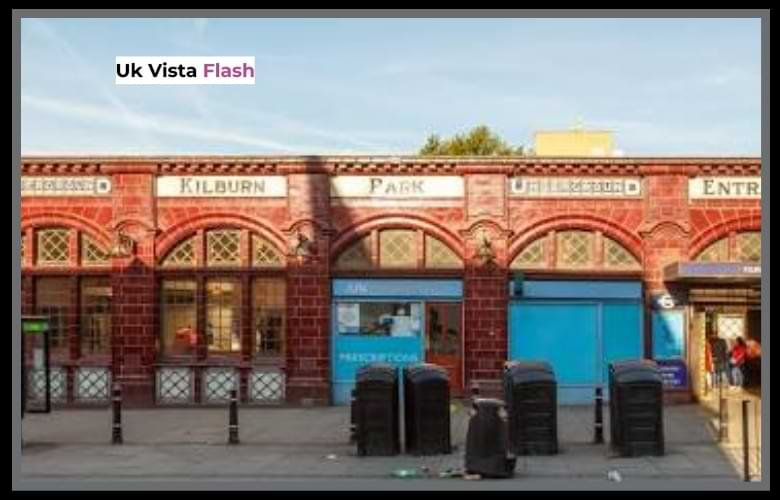
London Underground is well-known due to the fact that it connects all parts of the capital city, and each of the stations has a history story to tell. One of such stations that still operates is located in North West London and is visited by people each day of the week, either to go on a trip or just because of being a resident of the district. The station is situated on the Bakerloo line and is one of the stations that combine architecture and transportation, which is why it is one of the key transport objects in London.
History and Architectural Significance
The station first welcomed passengers in 1915 during the expansion of London’s Underground network. Built to improve transport across the growing capital, it quickly became an important stop for local residents and workers. Its design reflects the distinctive architectural style seen in many early twentieth-century Underground stations, with carefully crafted brickwork and functional layouts that have stood the test of time.
Over the decades, the building has undergone maintenance and modernization while preserving many of its original features. Today, it is recognized as a Grade II listed structure because of its historical and architectural value. This protected status ensures that future generations can continue to appreciate an important piece of London’s transport heritage.
Highlights include:
- Opened in 1915
- Grade II listed building
- Designed in a classic London Underground style
Historic stations like this represent more than transport infrastructure. They reflect London’s growth, changing travel habits, and commitment to preserving architectural landmarks. Visitors often admire how traditional design blends seamlessly with modern passenger services, creating a station that remains both practical and historically significant.
Location and Transport Connections
Situated in North West London, the station serves the surrounding residential communities while offering quick access to central London. It lies on the Bakerloo line between Queen’s Park and Maida Vale, allowing passengers to reach major destinations without multiple transfers. This strategic location makes it convenient for commuters, students, tourists, and local businesses alike.
Travelers can easily continue their journeys using nearby bus services, walking routes, and connections with London Overground services at Kilburn High Road. These integrated transport options allow passengers to move efficiently throughout the capital while reducing travel times. Reliable public transport remains one of the area’s strongest advantages.
Key transport features:
- Bakerloo line services
- Nearby London bus routes
- Walking distance to Kilburn High Road Overground
- Easy connections into Central London
For many daily commuters, kilburn park station provides a dependable gateway to London’s financial districts, entertainment venues, universities, shopping streets, and cultural attractions. Regular train frequencies throughout the day help ensure smooth travel during both peak and off-peak periods.
Passenger Facilities and Accessibility
Modern passengers expect convenience, and the station provides a range of essential services that support comfortable travel. Ticket machines, Oyster card top-up facilities, contactless payment options, CCTV security, customer information displays, and help points all contribute to an efficient passenger experience. Clear signage throughout the station also assists visitors who may be unfamiliar with the Underground network.
Although the station continues to meet the needs of most travelers, accessibility remains an important consideration. Escalators and stairways provide access between street level and platforms, but full step-free access is currently unavailable. Travelers requiring accessible routes are encouraged to check journey planners before traveling to identify suitable alternatives.
Facilities available include:
- Ticket machines
- Contactless payment
- Oyster services
- Live departure information
- Customer help points
- CCTV security
The station is maintained to high operational standards, ensuring cleanliness, safety, and reliability throughout the year. Continuous maintenance and infrastructure improvements help preserve both passenger comfort and the historic character of the building, making every journey more enjoyable for regular users and first-time visitors alike.
Nearby Attractions and Local Places to Explore
The surrounding neighborhood offers far more than convenient transport connections. Visitors can enjoy peaceful residential streets, independent cafés, local restaurants, green spaces, and traditional London architecture. The nearby Maida Vale area is particularly well known for its elegant homes, tree-lined roads, and relaxed atmosphere, making it an enjoyable place to explore on foot.
Just a short journey away, travelers can reach famous landmarks including Regent’s Canal, Little Venice, and Abbey Road. These destinations attract visitors throughout the year because they combine history, culture, and beautiful scenery. Whether you enjoy photography, shopping, or discovering hidden corners of London, the area provides something for every interest.
Popular places nearby:
- Maida Vale
- Queen’s Park
- Regent’s Canal
- Little Venice
- Abbey Road
- Kilburn High Road
The neighborhood also features supermarkets, pharmacies, fitness centers, schools, and community facilities, making it a practical destination for both residents and visitors. Excellent public transport connections mean many of London’s major attractions can also be reached within a relatively short travel time.
Travel Tips and Passenger Information
Planning ahead can make every Underground journey smoother and more enjoyable. Using an Oyster card or contactless payment method is the quickest way to pass through ticket barriers, while checking live service updates before departure helps passengers avoid unexpected delays caused by engineering work or temporary disruptions.
Visitors should also consider traveling outside peak commuting hours if they prefer quieter platforms and less crowded trains. Allowing extra time during weekends or public holidays can reduce stress, particularly when maintenance work affects scheduled services. Carrying a charged mobile phone with navigation apps can also simplify onward travel.
Useful travel tips:
- Use contactless or Oyster payment.
- Check live train updates before leaving.
- Travel outside rush hour when possible.
- Follow station signs for faster exits.
- Plan accessible routes in advance if needed.
Whether traveling for business or leisure, preparing your journey in advance improves the overall experience. Small steps such as confirming departure times, identifying nearby bus connections, and reviewing walking directions can help ensure a smooth and efficient trip across London.
Why This Station Remains Important Today
London’s transport network depends on a combination of major interchange stations and reliable neighborhood stops that keep communities connected every day. kilburn park station continues to play that important role by providing dependable Bakerloo line services for commuters, students, shoppers, and visitors traveling across the capital. Its historic character adds another layer of value, reminding passengers of London’s rich transport heritage.
As surrounding neighborhoods continue to develop, the station remains an essential part of local life. Investment in maintenance, passenger information systems, and operational improvements helps ensure reliable service while protecting the building’s historic appearance. This balance between preservation and modernization reflects the long-term vision of London’s transport network.
Reasons it remains valuable:
- Reliable daily Underground services
- Historic Grade II listed architecture
- Strong local transport connections
- Easy access to Central London
- Important community transport hub
Its combination of history, convenience, and dependable public transport ensures it will remain an important destination for years to come. Whether someone is visiting London for the first time or commuting daily, the station continues to provide an efficient gateway to one of the world’s busiest and most connected cities.
(FAQs)
1. Where Is Kilburn Park Station Located?
Kilburn Park Station is located in North West London on the Bakerloo line, providing convenient access to Central London and nearby residential areas.
2. Which Line Serves Kilburn Park Station?
The station is served exclusively by the Bakerloo line, offering regular services between Elephant & Castle and Harrow & Wealdstone.
3. Does Kilburn Park Station Have Step-Free Access?
No, the station currently does not provide full step-free access to its platforms, so passengers with mobility needs should plan their journey in advance.
4. What Facilities Are Available at the Station?
Passengers can use ticket machines, Oyster and contactless payment options, customer information displays, CCTV security, and help points.
5. What Attractions Are Close to Kilburn Park Station?
Nearby attractions include Maida Vale, Little Venice, Regent’s Canal, Queen’s Park, Abbey Road, and Kilburn High Road.
Conclusion
The London Underground features stations that have their unique histories, and the Bakerloo line station being one of them is a good representation of the relationship between heritage and public transportation in our days. The station’s favorable geographical position, its train services, architectural heritage, and strong relationships with the area make it useful for tourists and locals alike. It can be used for sightseeing purposes or commuting to Central London and offers passengers a good, well-functioning station that operates daily in the community. Knowing more about the history, infrastructure, and transport of the station will certainly come in handy for travelers.
Share.
